
Damascus Steel Knives Explained: Real Pattern-Welded vs Etched
Modern Damascus is pattern-welded steel: two or more steels forge-welded together, folded, and etched so the layers show as a pattern. It is real steel with real layers, not a decal, but it is not automatically sharper or tougher than a good single-alloy blade. An etched-only imitation has a pattern printed or acid-etched onto plain steel and wears off at the edge. Look for a named layer count, a maker who states the steels, and a pattern that runs through the edge bevel.
What pattern-welded Damascus is
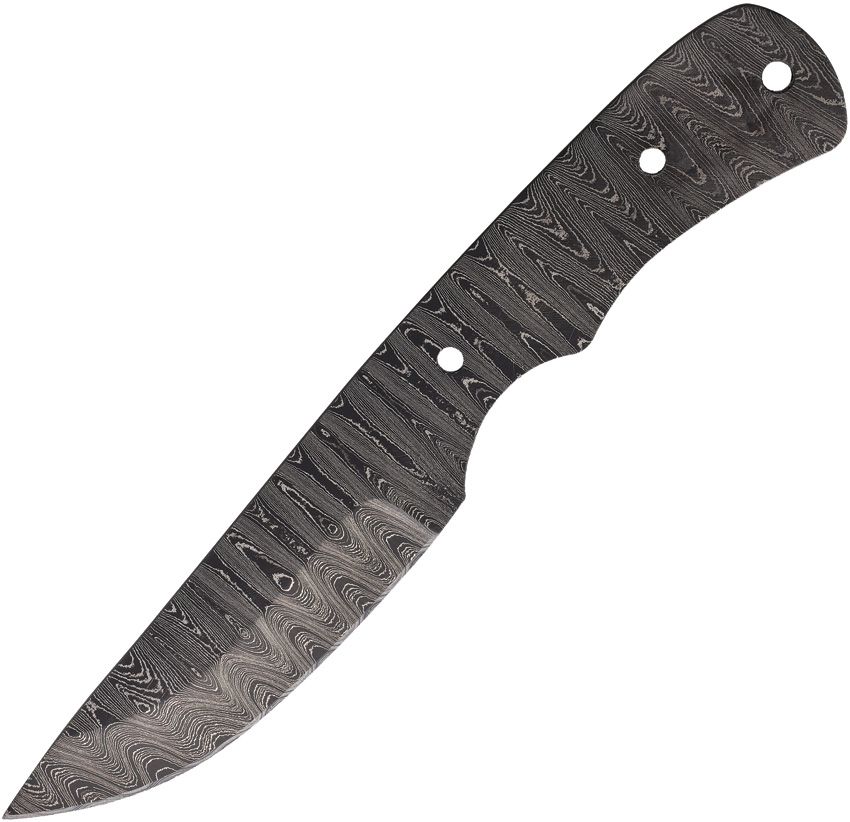
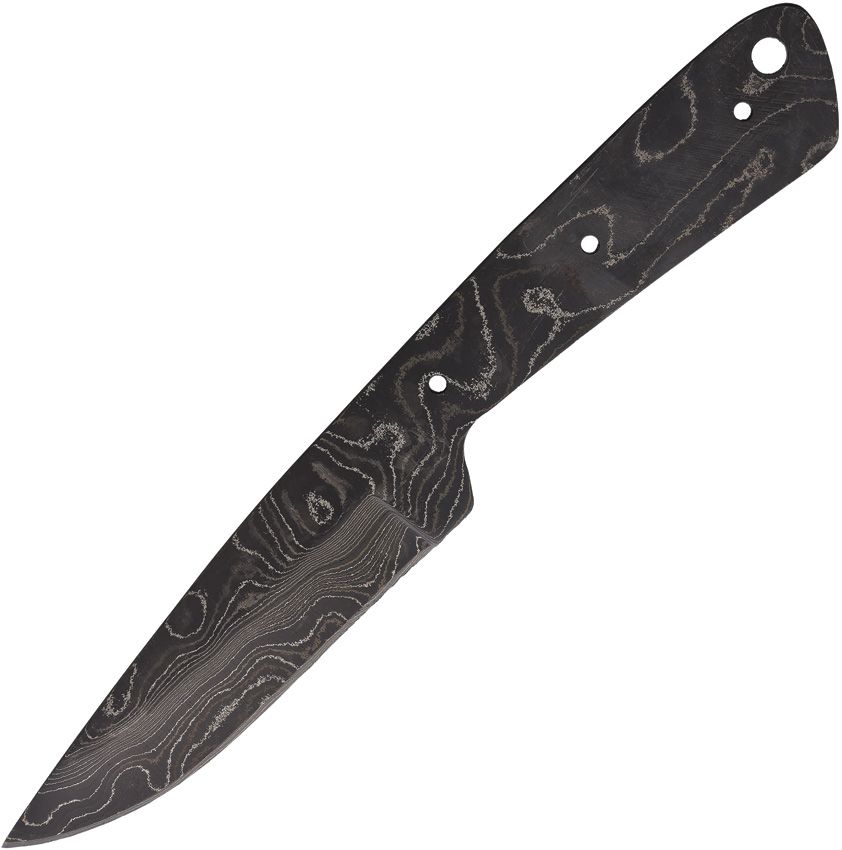
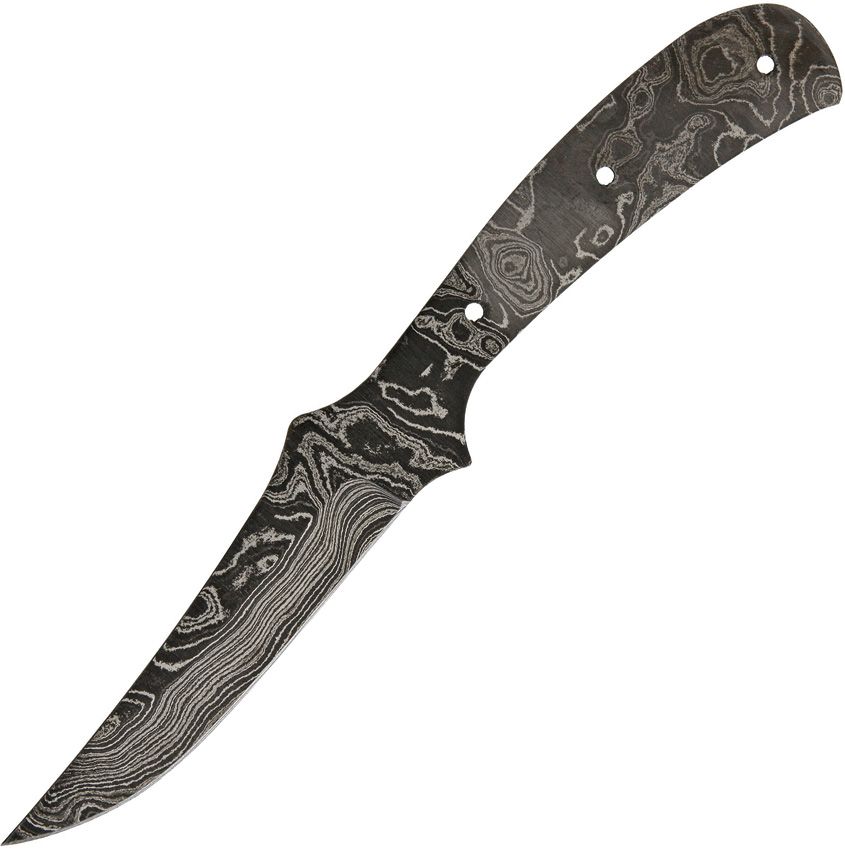
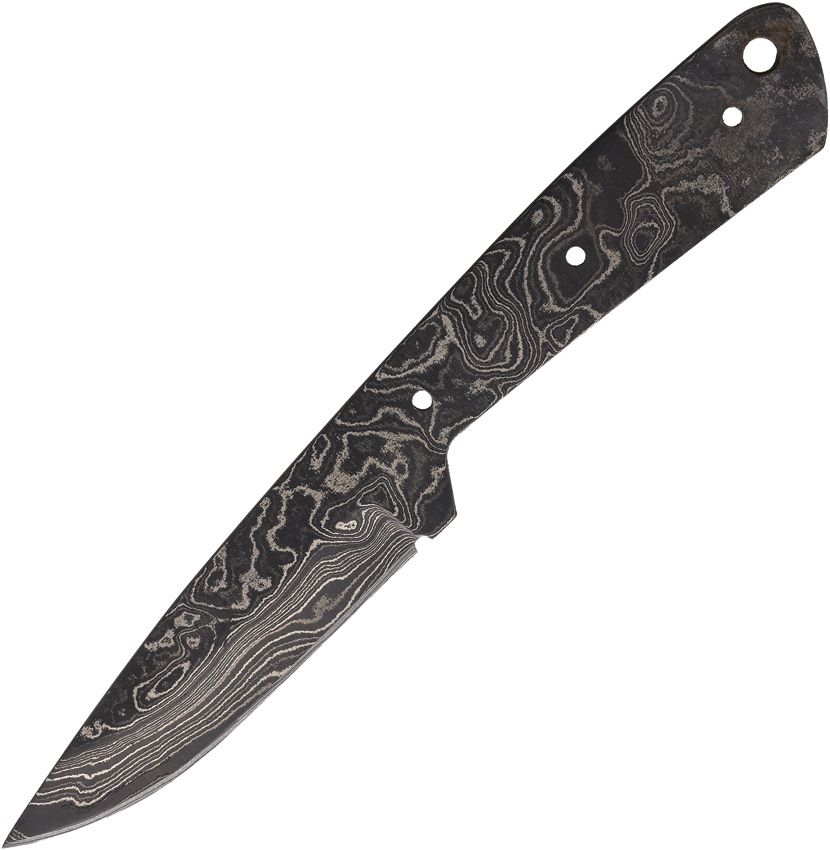
A smith stacks alternating bars of two steels, heats and hammers them into one billet, then folds or twists it to multiply the layers. After grinding, an acid bath darkens one steel more than the other, which reveals the layers as a flowing pattern. That pattern goes all the way through the bar, so when the edge is sharpened the layers are still there. Alabama Damascus Steel sells exactly this kind of material as knife blanks, many listed as 416-layer Damascus, in blade lengths from 2.5 to 5 inches and in profiles such as a 3.5 inch skinner, a 4 inch clip point and a 4.5 inch drop point with guard. Atlas Knife Co carries a wide run of them, mostly in full tang form ready for handle scales.
Layer count is a description, not a grade. More layers give a finer pattern; fewer give bolder bands. Neither is better for cutting.
How to spot an etched fake
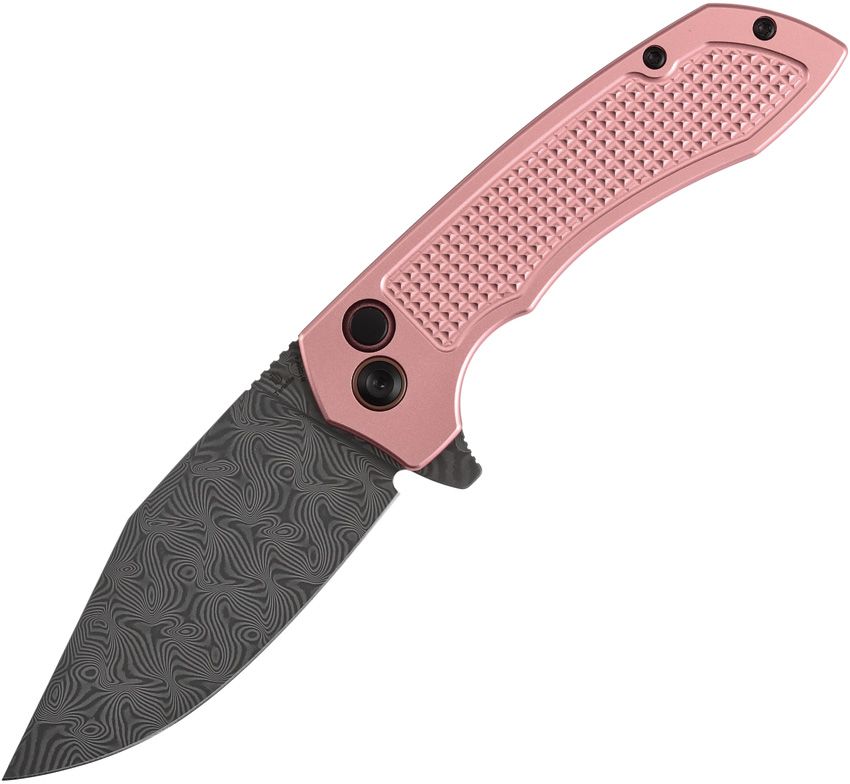
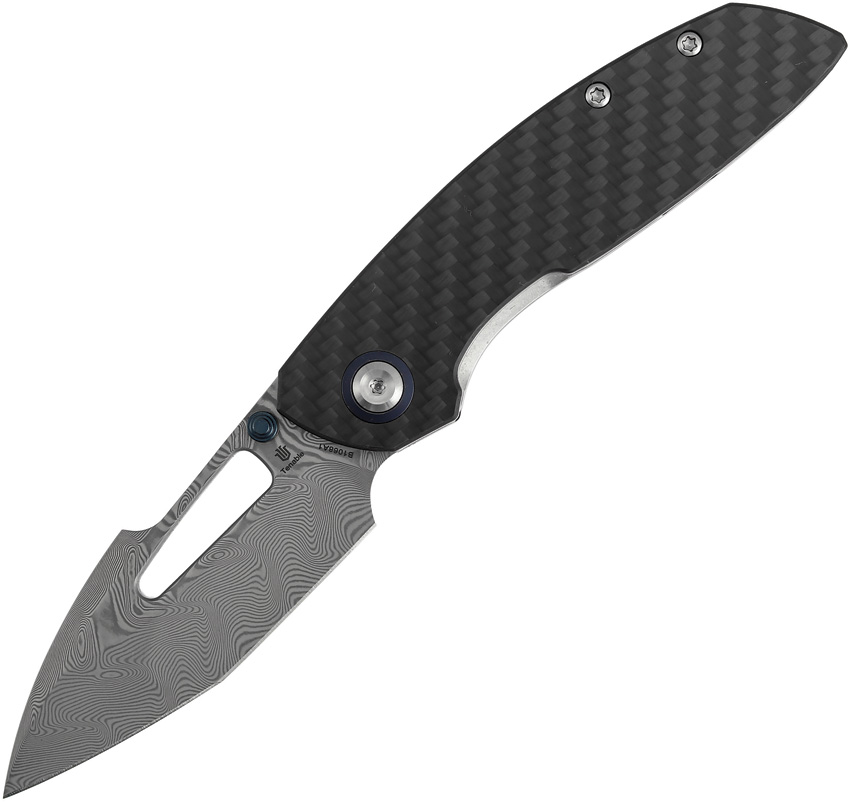
Cheap imports often print or acid-etch a Damascus-style pattern onto a single piece of stainless. Three tells. First, the pattern stops at the edge bevel or looks painted on where the blade was ground after etching. Second, the pattern is identical on both sides and repeats exactly from knife to knife, which forged steel never does. Third, the listing names no steels and no layer count, or gives a price that could not cover forge-welding. A budget knife with a real Damascus blade is possible, as the Tenable Knives folders in the hundred-dollar range show, but a ten-dollar Damascus knife is an etch.
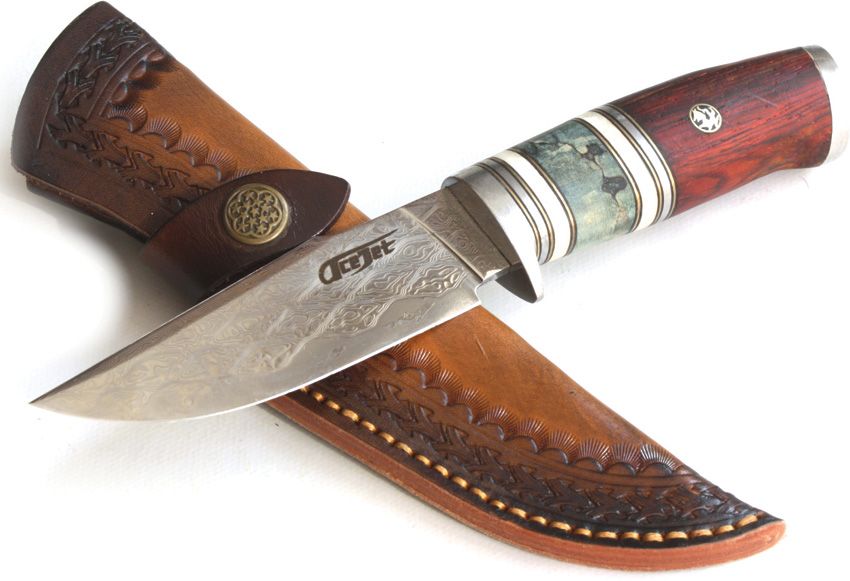
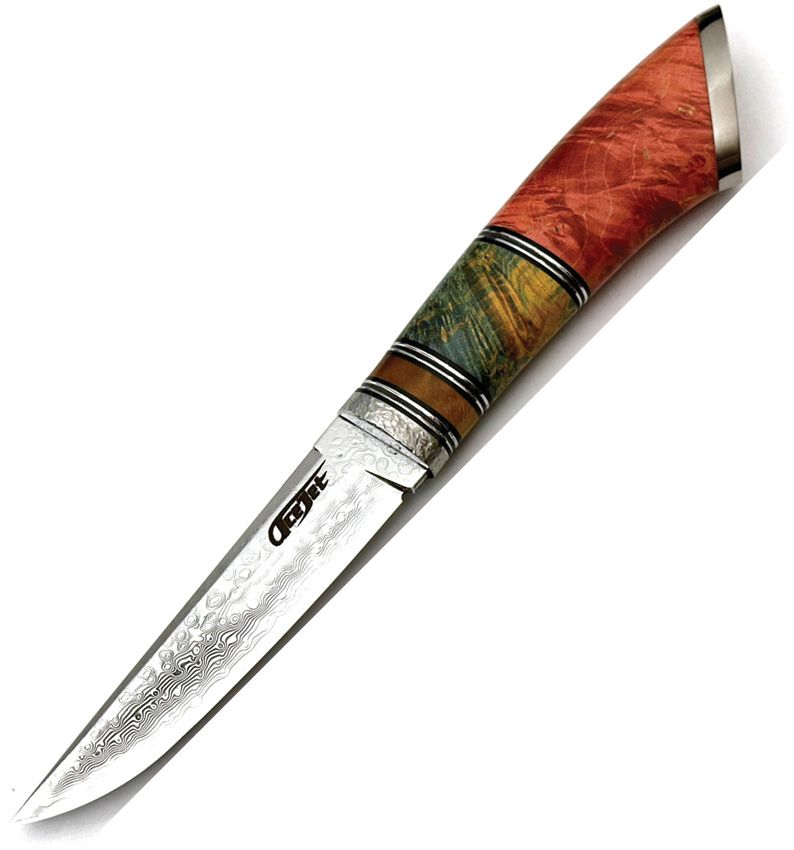
A related construction is san mai, where a hard core steel is sandwiched between two outer layers. The ACEJET Marshall and Mystic SanMai Hunter fixed blades are listed this way with Damascus cladding: the cutting edge is the core, the pattern is the jacket.
Is Damascus better?
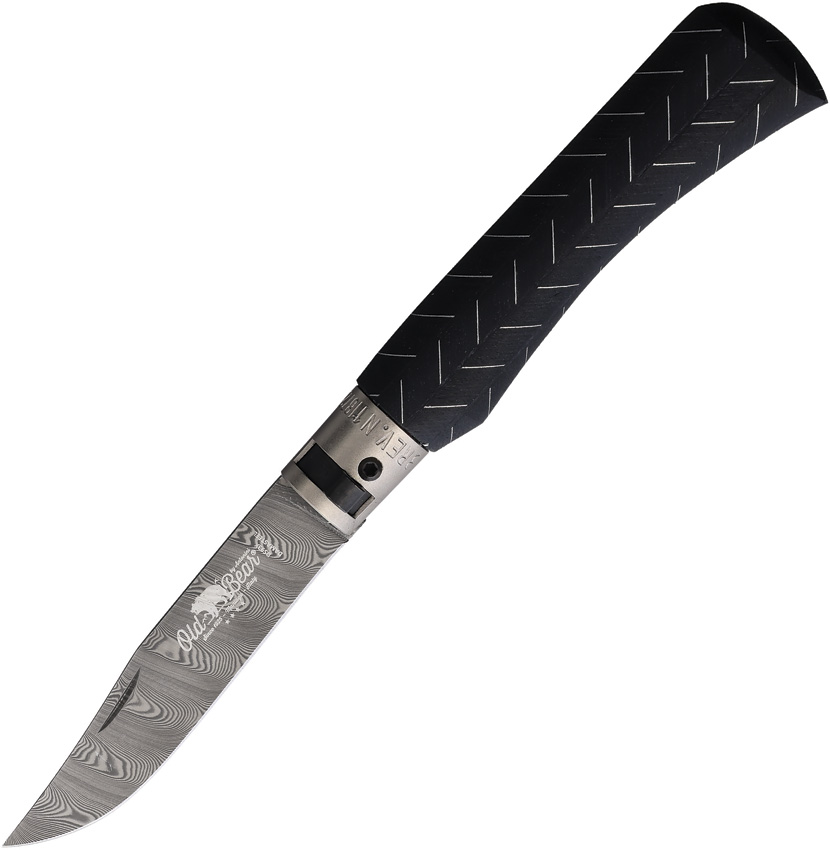
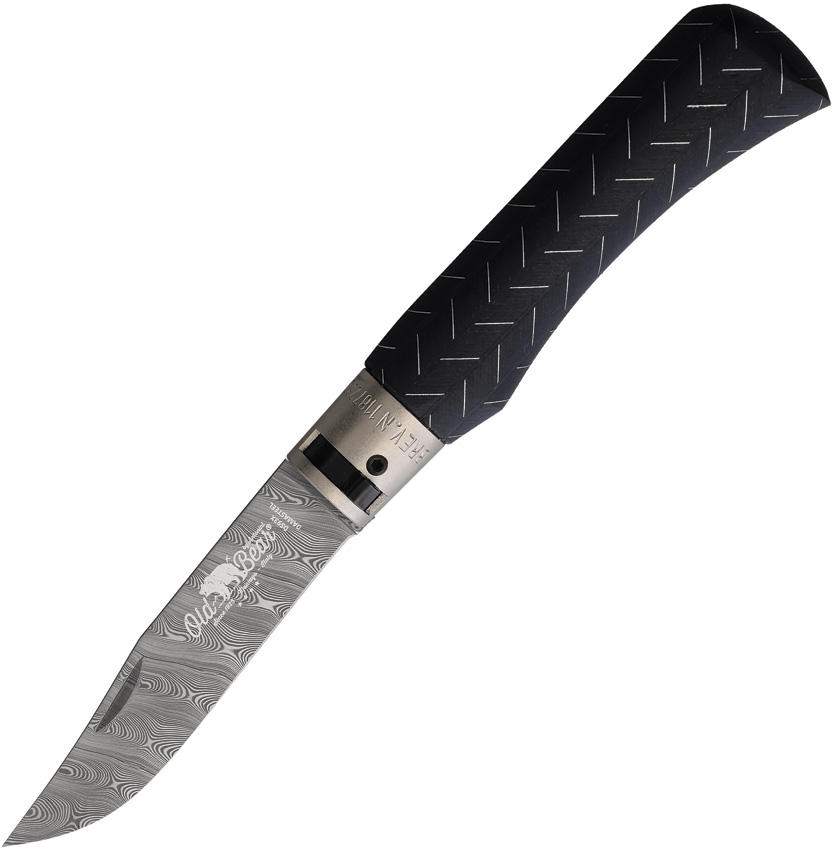
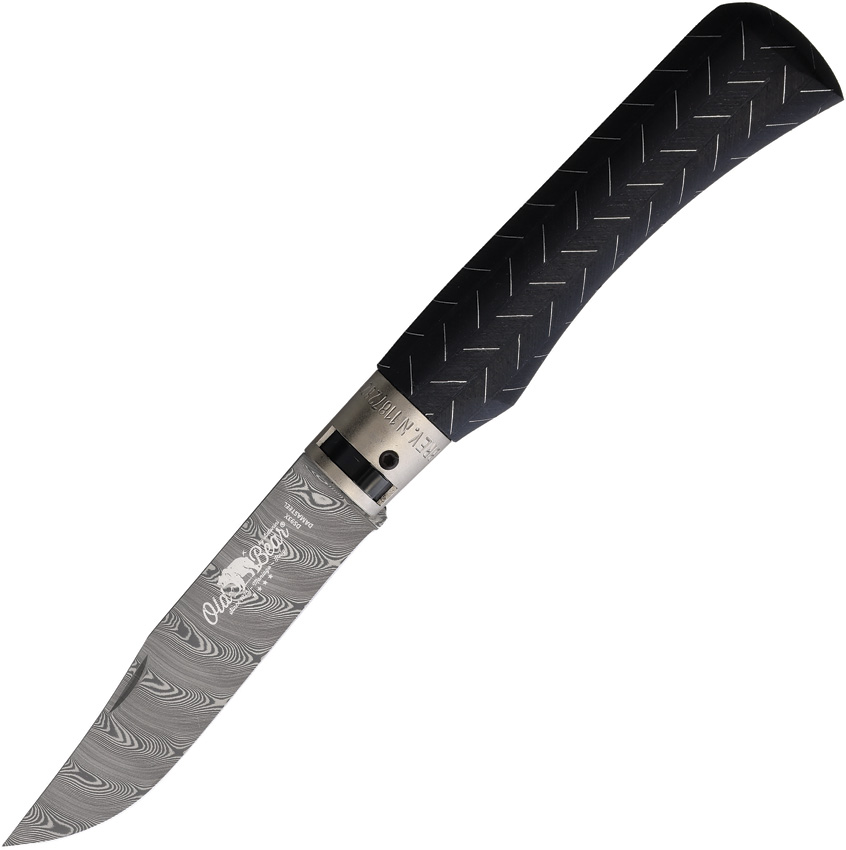
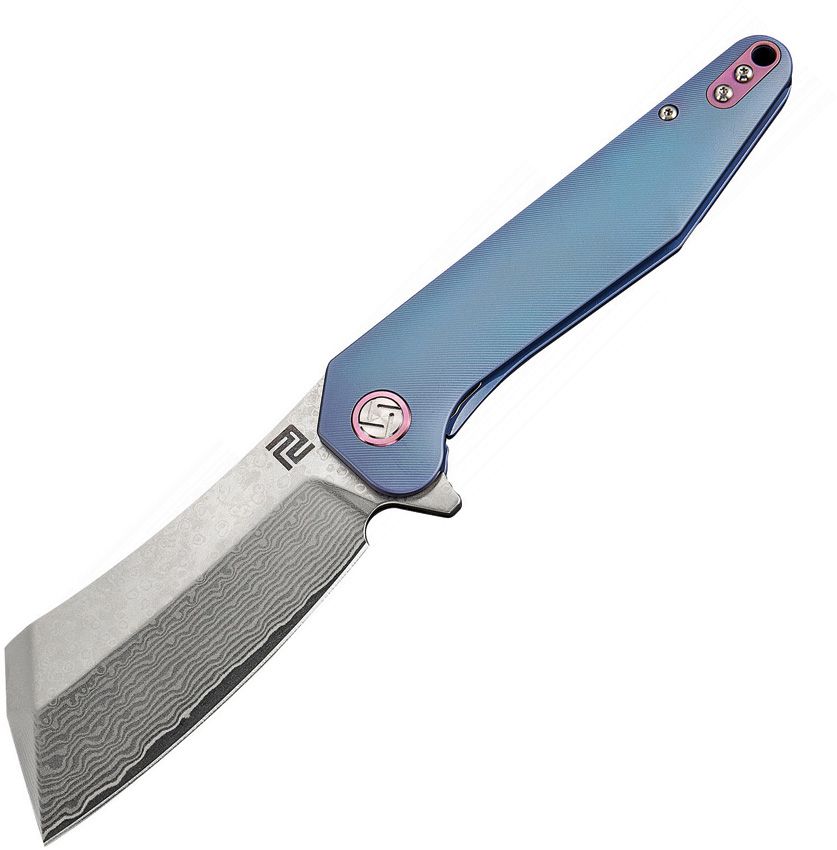
Honestly, not for performance. Edge retention, toughness and corrosion resistance come from the alloys used and the heat treatment, and a well-treated single steel such as D2, S90V or MagnaCut will match or beat most Damascus for pure cutting. People buy Damascus for the look and the craft. That is a fine reason, as long as you know what you are paying for. Where Damascus shines is on a showpiece: the Bear & Son Damascus Bowie fixed blade, the Old Bear folders, or the Artisan Orthodox, Osprey and Archaeo framelock folders, which pair a Damascus blade with titanium handles. The Artisan Caruso goes further, listing an S90V blade with titanium Damascus in the handle, so the patterned steel is the frame, not the edge.
Caring for a Damascus blade
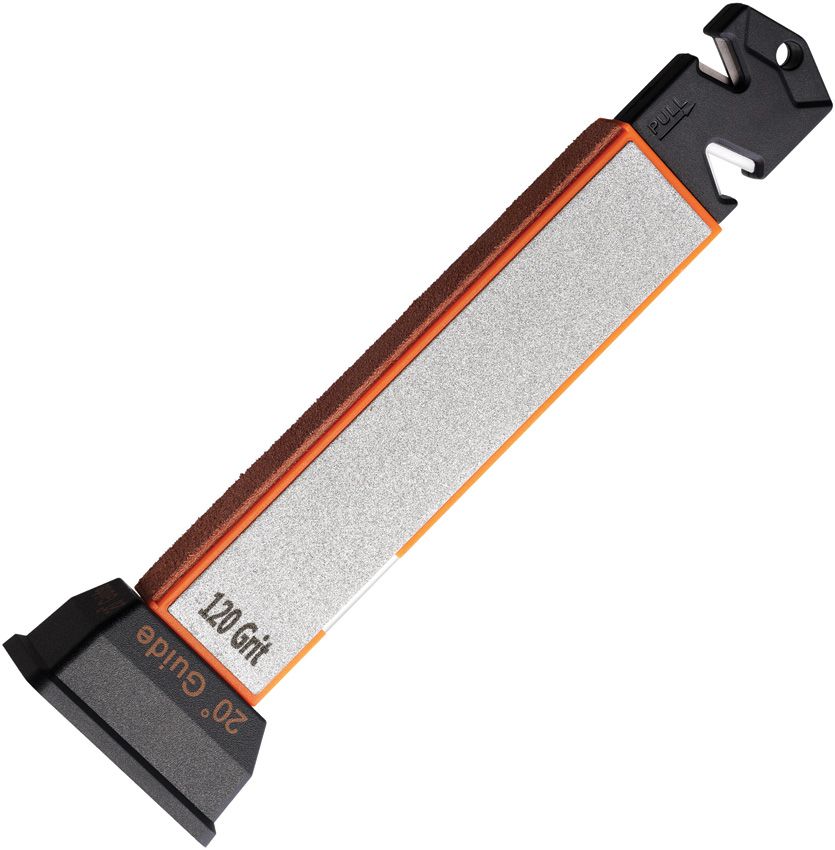
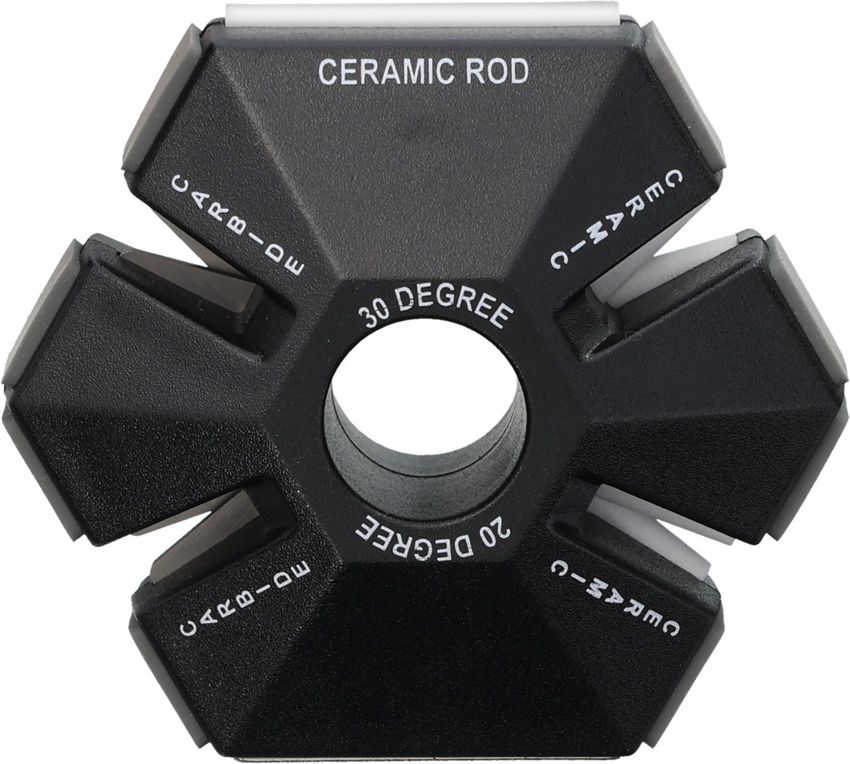
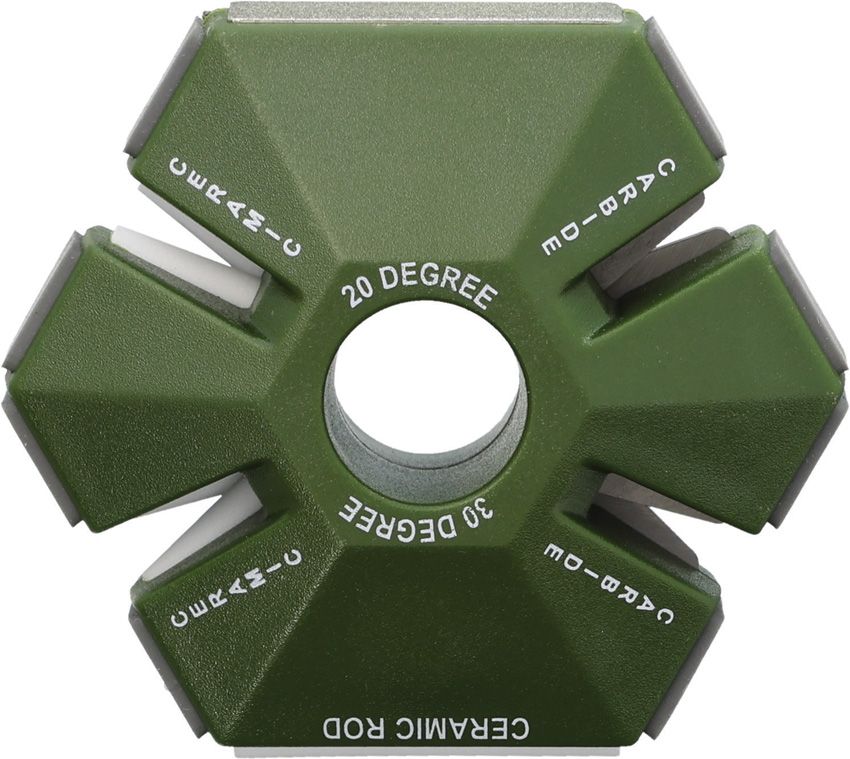
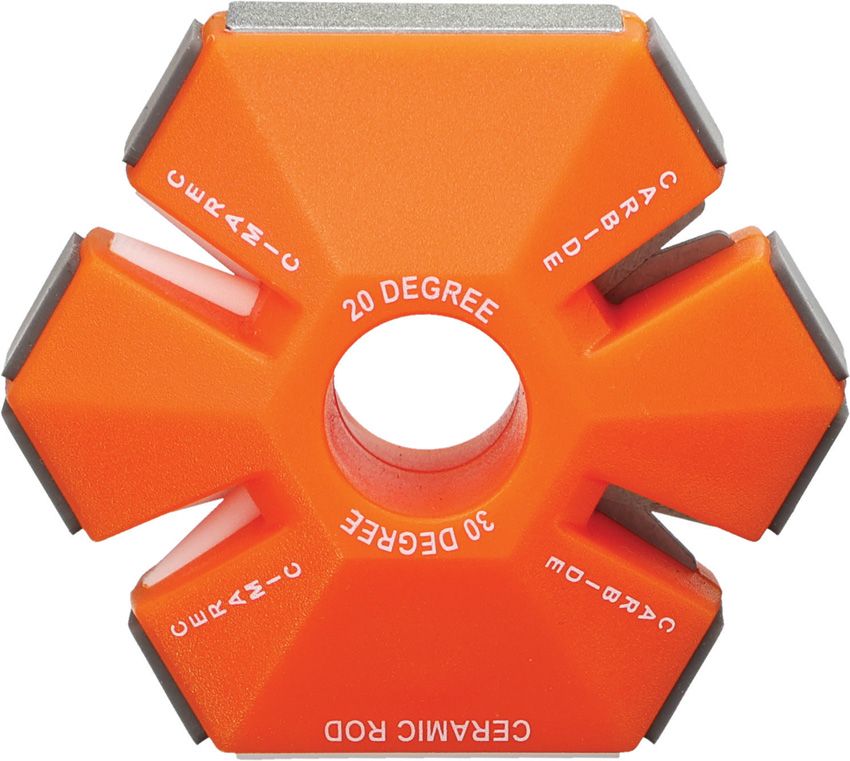
Most pattern-welded Damascus uses at least one high-carbon steel, so it rusts if ignored. Wipe it dry after use, keep a film of oil on it in storage, and keep it out of a wet leather sheath. The etched pattern is a thin oxide layer; aggressive polishing removes it, and so does a coarse stone on the flats. Sharpen only the edge, with a fine stone or a ceramic rod, and the pattern stays. If it does fade, a brief re-etch with diluted ferric chloride brings it back, which is a job for a maker rather than a kitchen counter.
Buying a Damascus blank vs a finished knife
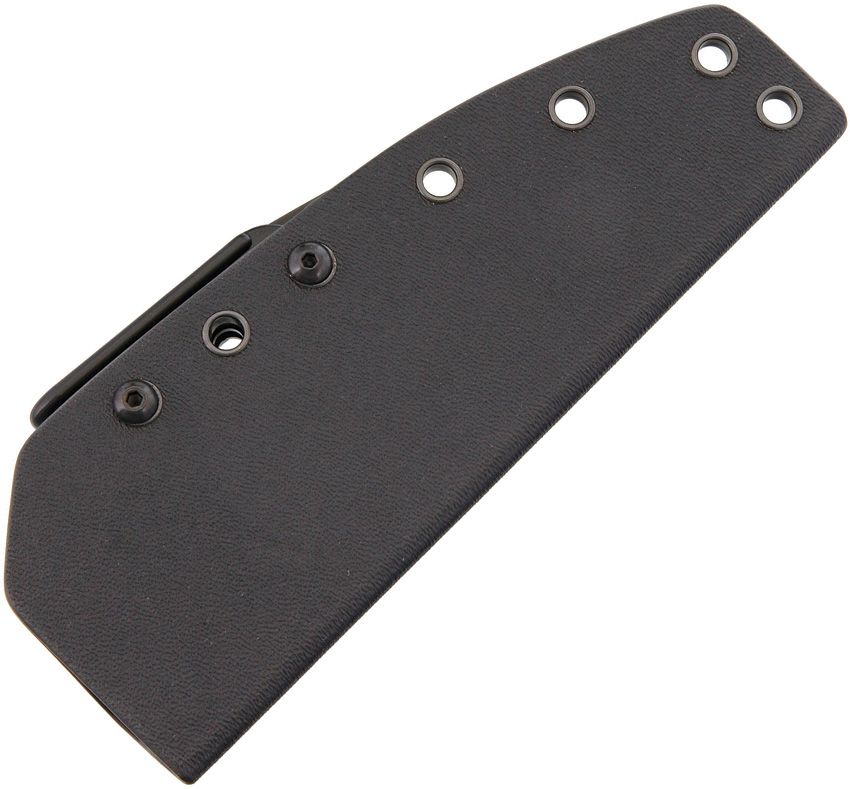
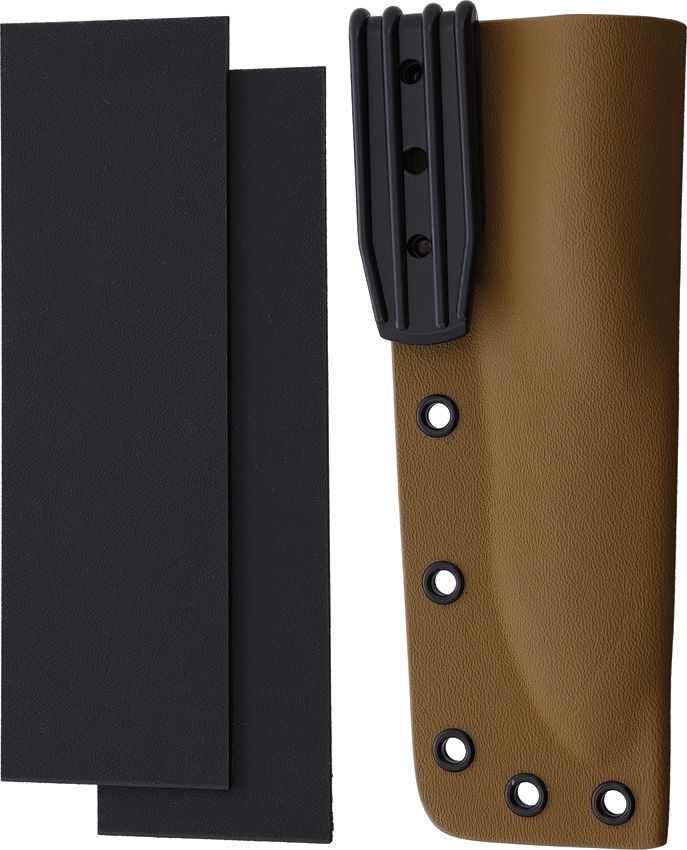
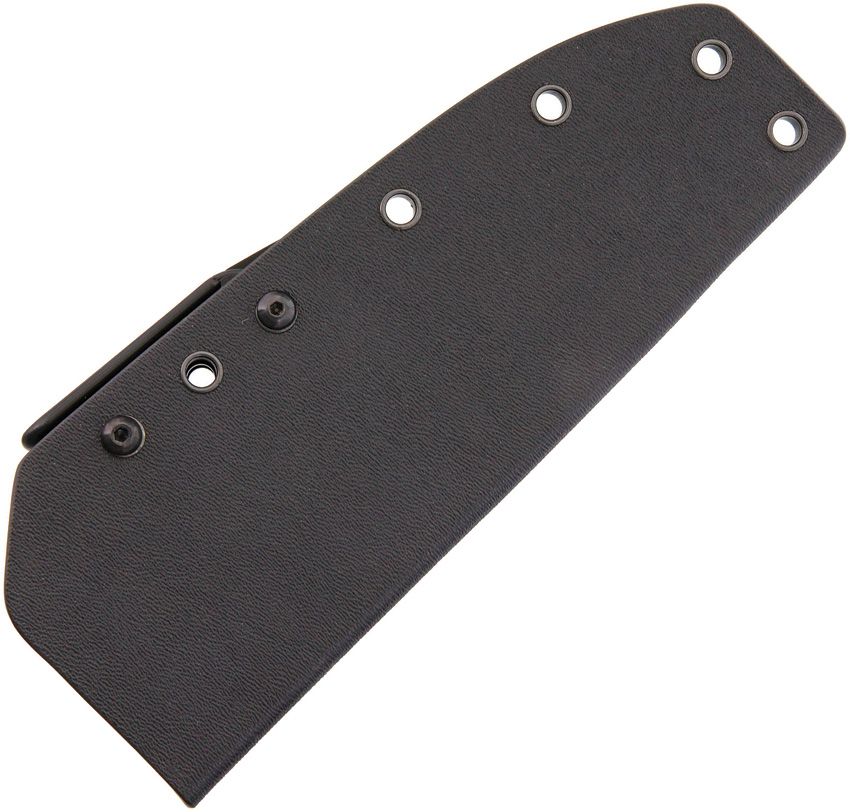
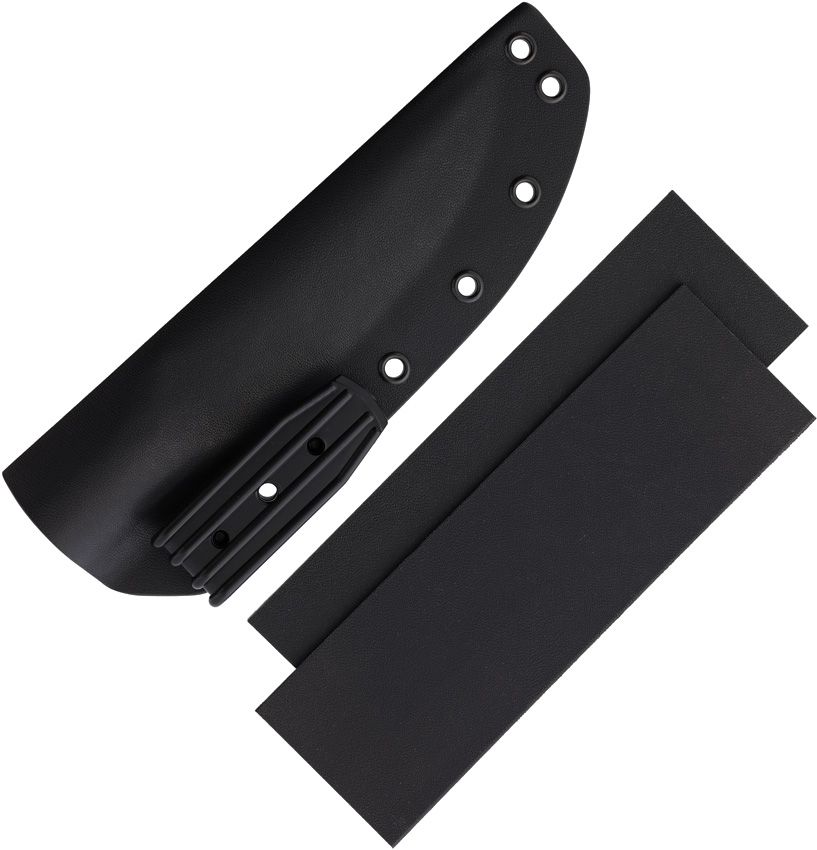
If you want Damascus for the least money, buy a blank and handle it yourself. The Alabama Damascus Steel blanks are listed from the mid-thirties to just over a hundred dollars depending on length and profile, and most are full tang with pin holes ready for scales. You need scales, pins, epoxy, a drill, files and sandpaper, and a sheath afterwards; the Armory Plastics DIY Kydex Sheath Kits are sized for 4 to 5 inch and 5 to 6 inch blades. A finished Damascus knife costs more but arrives heat-treated, ground, sharpened and sheathed, which is the better route for a gift or a first Damascus.
FAQ
Does real Damascus steel rust?
Usually yes, because at least one of the layered steels is typically high-carbon. Keep it dry and lightly oiled. Stainless Damascus exists but is less common.
What does 416-layer Damascus mean?
The billet was folded until it contained roughly 416 layers of alternating steel. It describes the fineness of the pattern, not the hardness or quality of the blade.
Is a Damascus knife sharper than a regular knife?
No. Sharpness depends on the edge geometry and heat treatment. Damascus can be very sharp, but so can a plain D2 or MagnaCut blade at a lower price.
More guides
- Best Folding Knives Under $100: What You Actually Get at Each Price
- Fixed Blade Hunting Knife Buyer's Guide
- Knife Steel Guide: 8Cr13MoV, 420, D2, MagnaCut, S90V and Damascus
- Knife Sharpener Guide: Whetstone vs Pull-Through vs Electric vs Rod