
Fixed Blade Hunting Knife Buyer's Guide
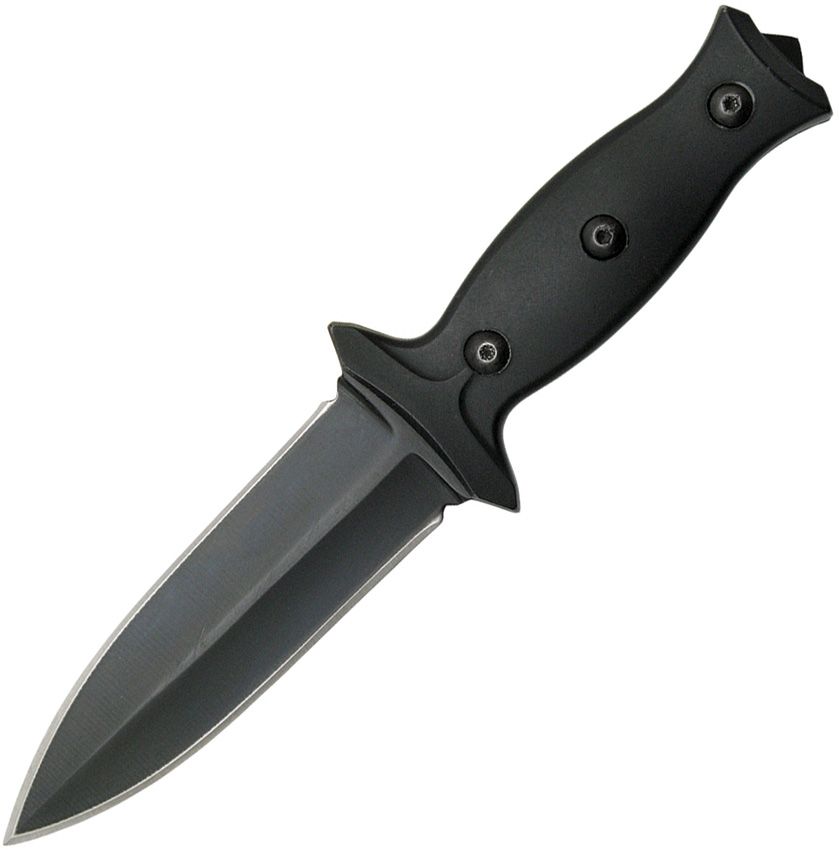
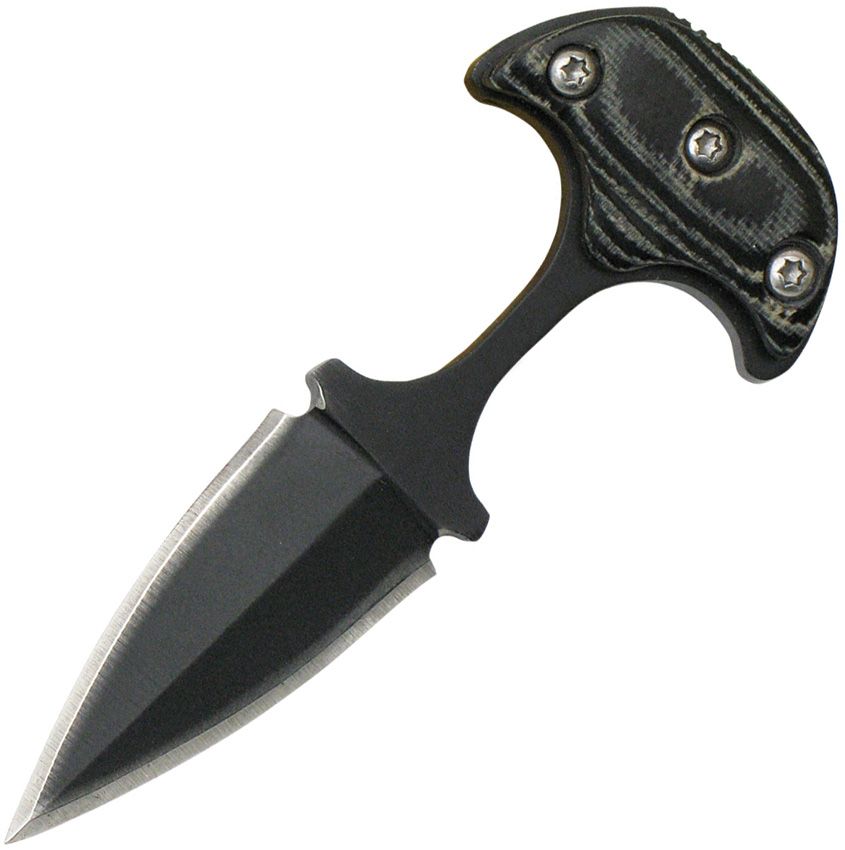
For field dressing deer-sized game a 3.5 to 4.5 inch drop point or clip point fixed blade with a full tang and a solid sheath is the right tool; bigger is harder to control inside a carcass, not more capable. Add a gut hook only if you have used one and liked it, and consider a small caper or skinner as a second knife. Atlas Knife Co lists options from inexpensive American Hunter and ABKT TAC knives through Damascus and Aitor survival blades.
Blade length and shape
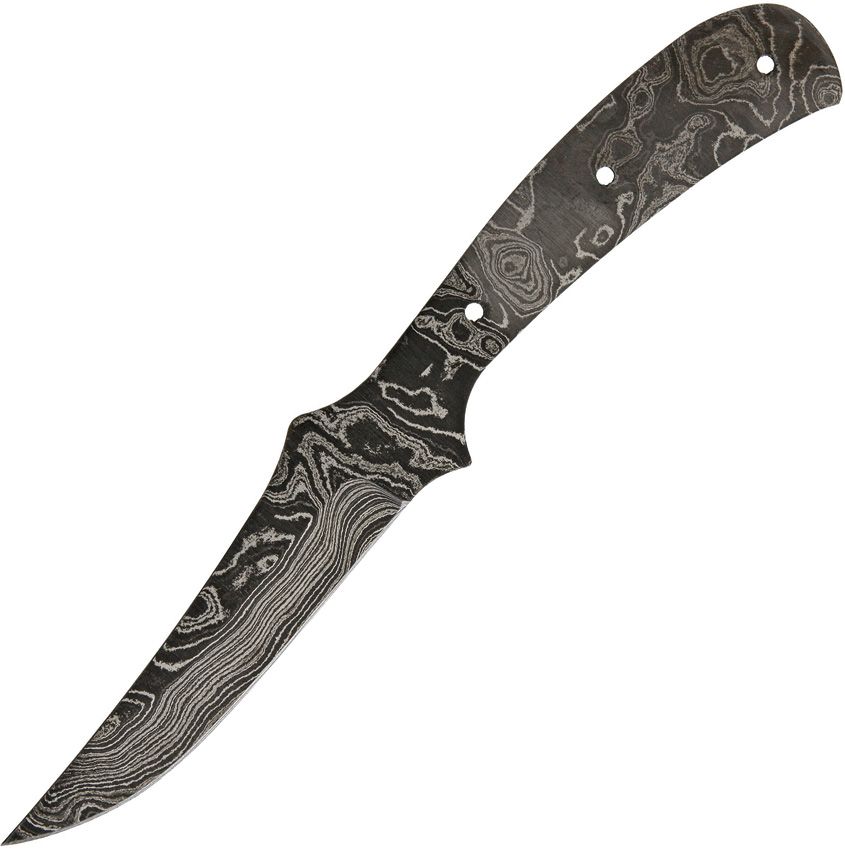
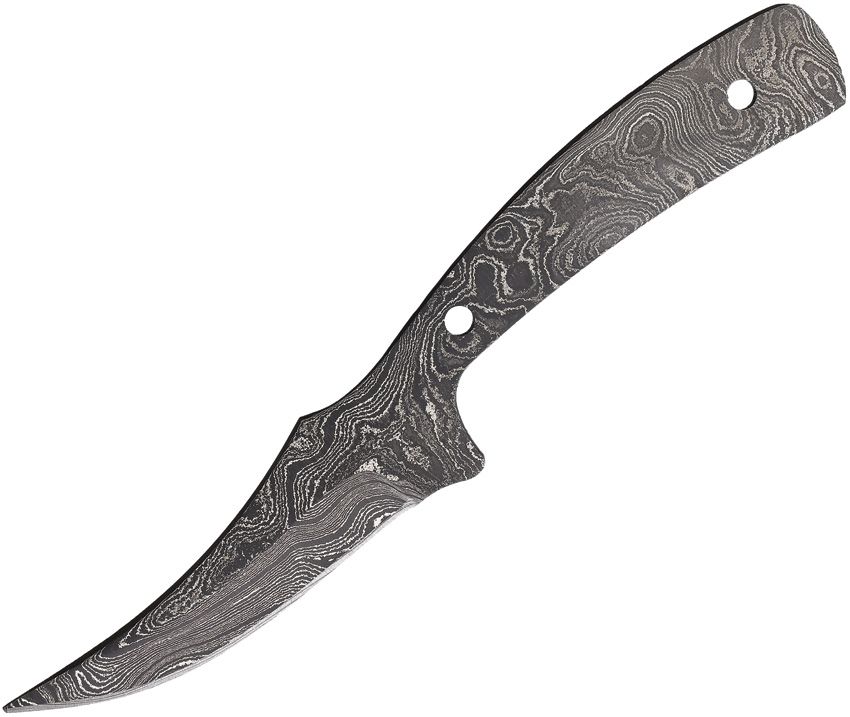
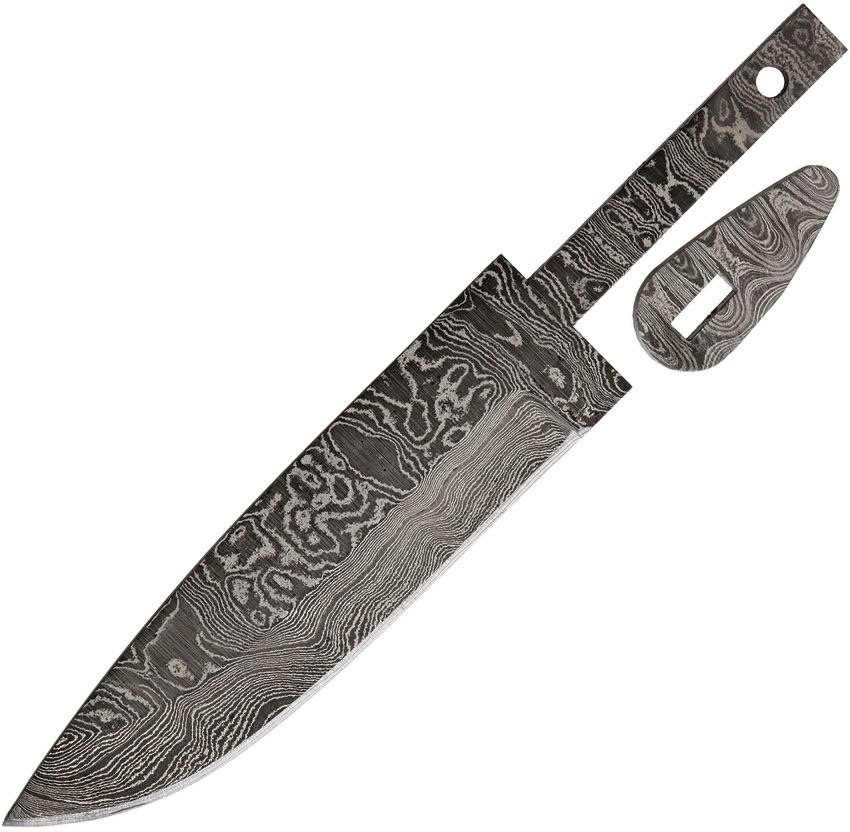
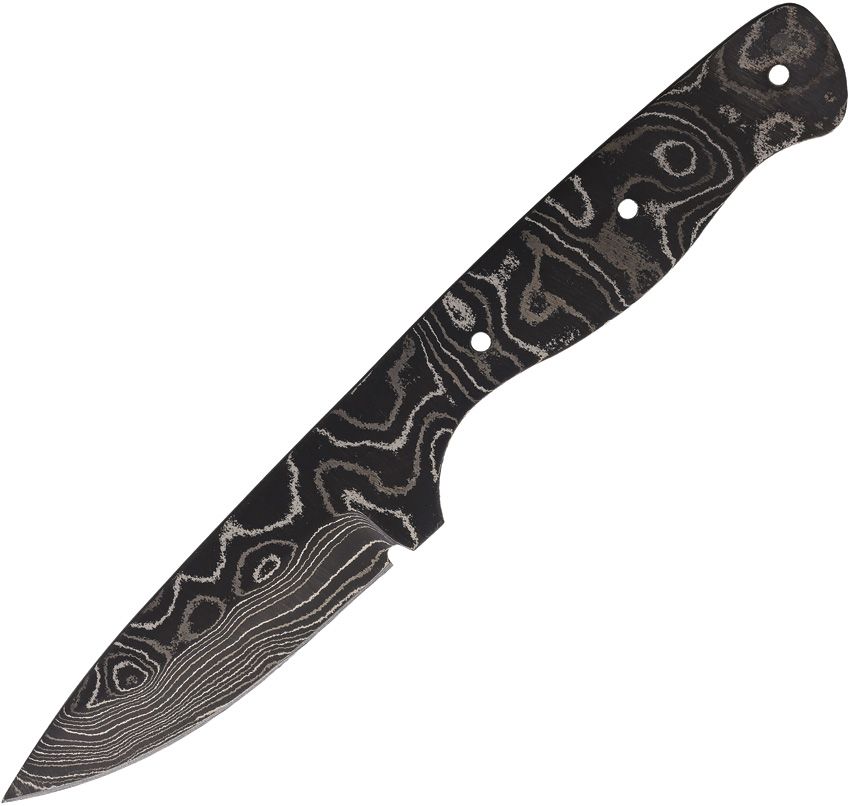
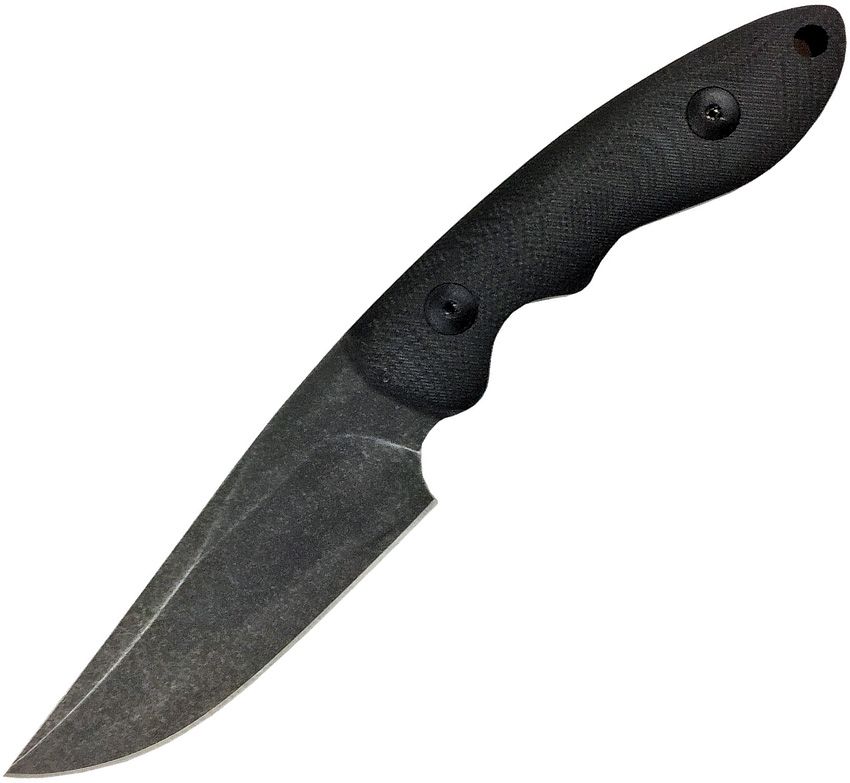
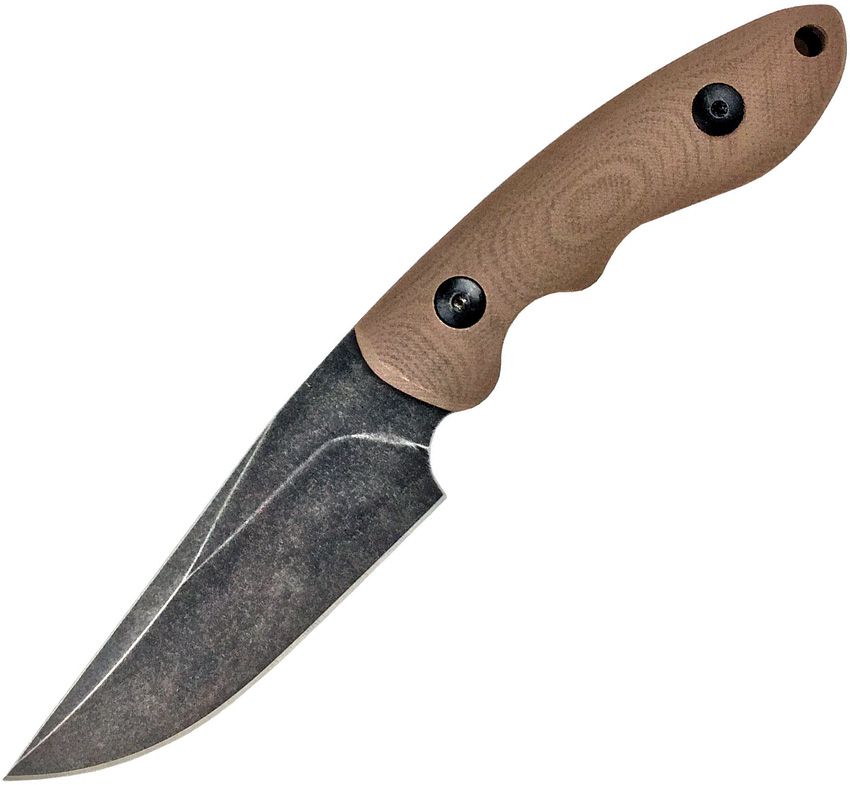
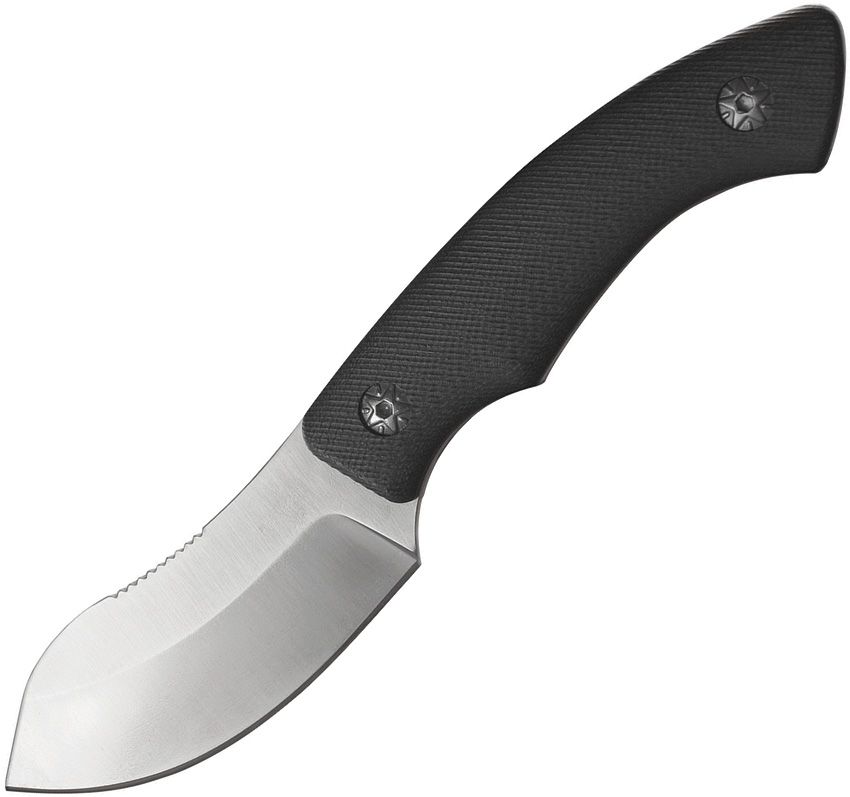
A hunting knife is a precision tool for opening, skinning and jointing, so control matters more than reach. A 3 to 4.5 inch blade does nearly everything. Drop points, with the spine curving down to the tip, are the safest shape for opening a belly without puncturing the gut; the Alabama Damascus Steel 4.5 inch Damascus Drop Point Blade with Guard is that profile in blank form. Clip points give a finer tip for detail work; the Alabama 4 inch Damascus Clip Point Blade and the Aitor Oso series, with a 7.25 inch clip point, are at the two extremes of size. A skinner has a broad, sweeping belly for long skinning strokes, as on the Alabama 3.5 inch Skinner Blade and the Aitor JK I and JK II Skinners.
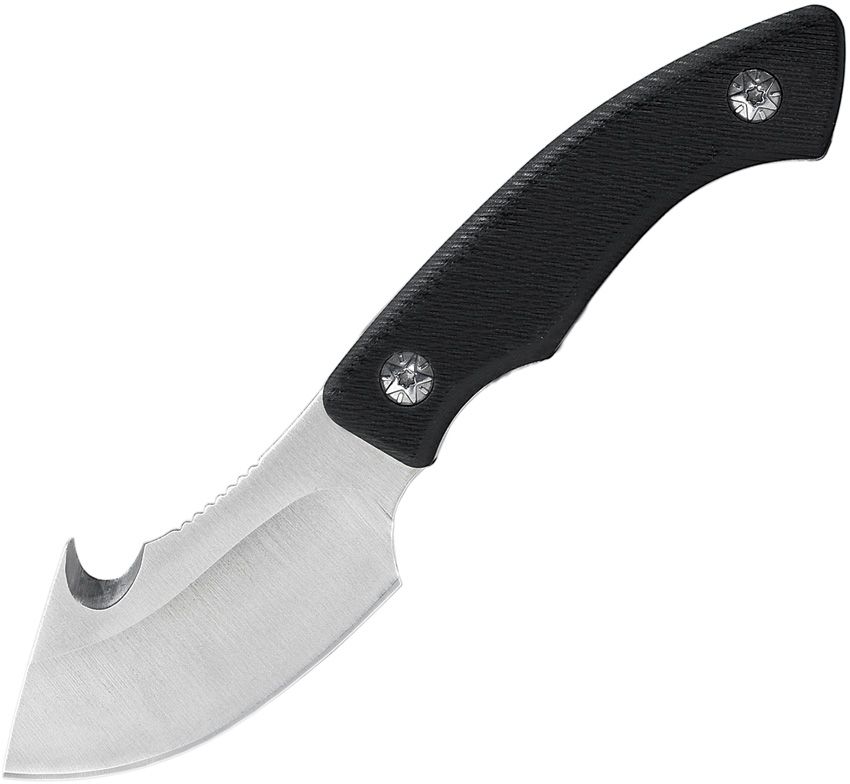
Gut hooks, a sharpened notch on the spine, unzip the hide without cutting into the meat. They work, but they are awkward to sharpen. The ABKT Tac Grunt Gut Hook fixed blade and the Alabama 3.5 inch Guthook Blade are the options if you want one.
Tang, handle and guard
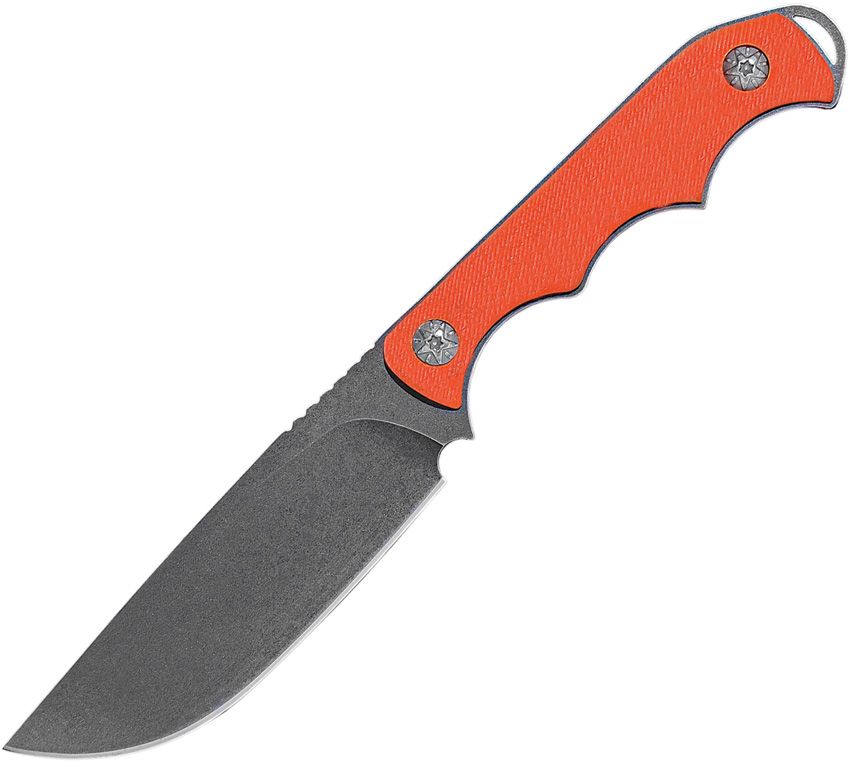
Full tang means the steel runs the full length and width of the handle with scales pinned on either side. It is the construction to insist on for a knife that will be levered through joints. Nearly all of the Alabama Damascus blanks are listed as full tang, and the ABKT TAC and AuCon fixed blades use G10 or Micarta scales, both of which stay grippy when wet with blood or rain. Wood and bone, as on the American Hunter Patch Knife in rosewood or the Fixed Blade Knife with a bone handle, look traditional and are fine for a knife that is dried after use.
A small guard or a finger choil stops your hand sliding onto the edge when the handle is slick. It is worth more in the field than any amount of blade coating.
Steel for a hunting knife
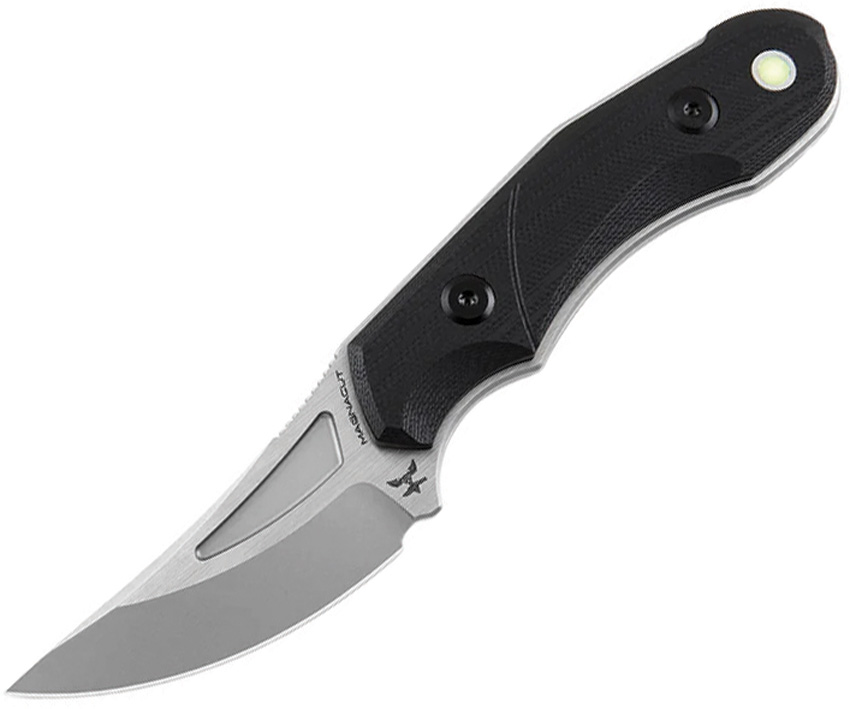
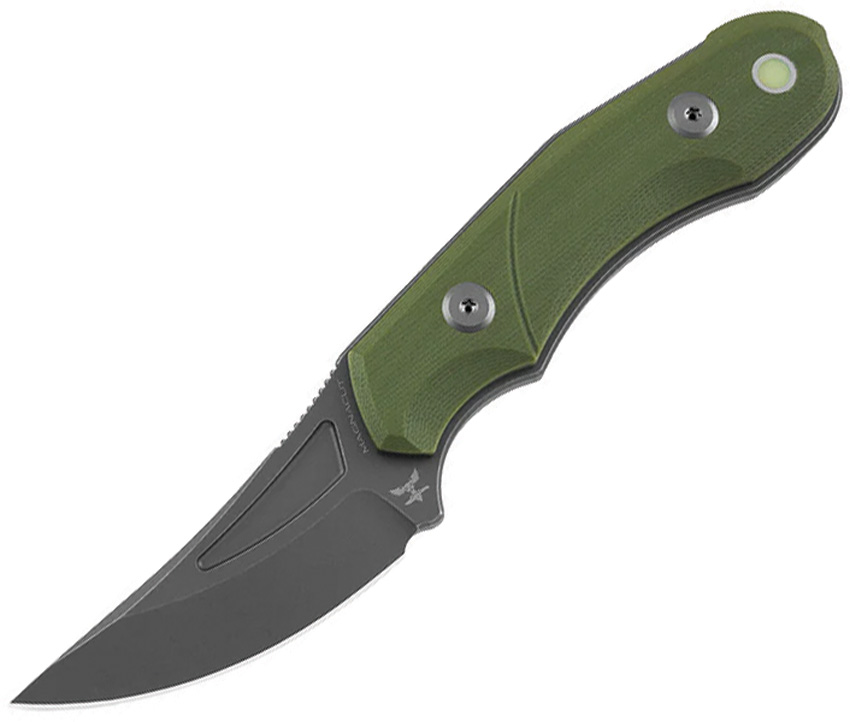
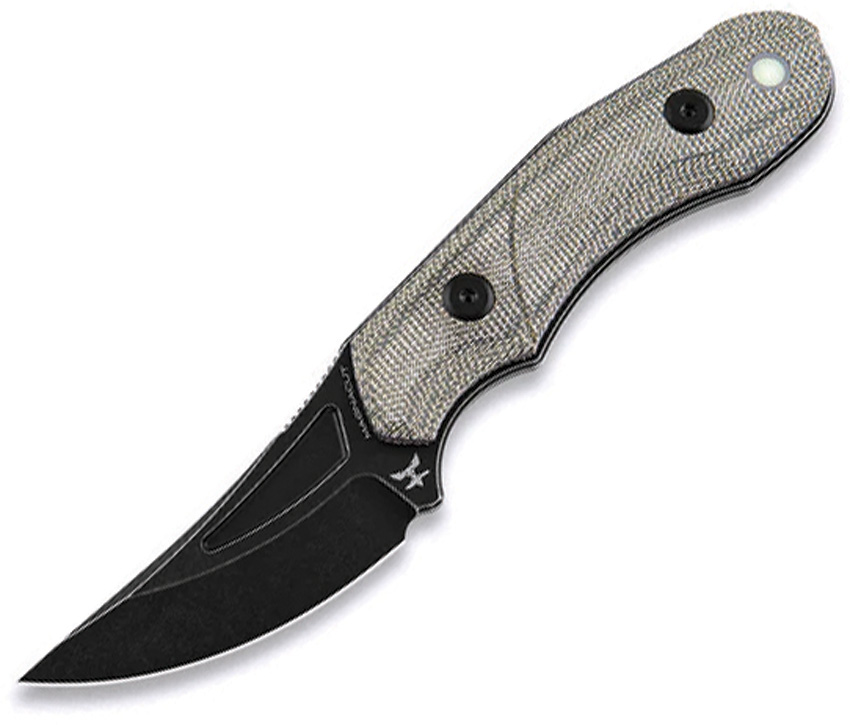
A hunting knife is used hard for a short time and then put away wet, so toughness and corrosion resistance matter as much as edge retention. The ABKT TAC Shadow Predator and Desert Predator fixed blades use D2, which holds an edge through a whole animal but should be dried and oiled. The ABKT Grunt and Protector fixed blades and the Smith's Bait Breaker use 8Cr13MoV and 420 stainless, easy to sharpen in camp and nearly rust-proof. The AuCon Fanglet, a 2.4 inch fixed blade in CPM MagnaCut, is a small caper in a steel that is both stainless and hard-wearing. Damascus, on the Alabama blanks and the ACEJET SanMai hunters, is beautiful and needs the most care.
Big knives, survival knives and sets
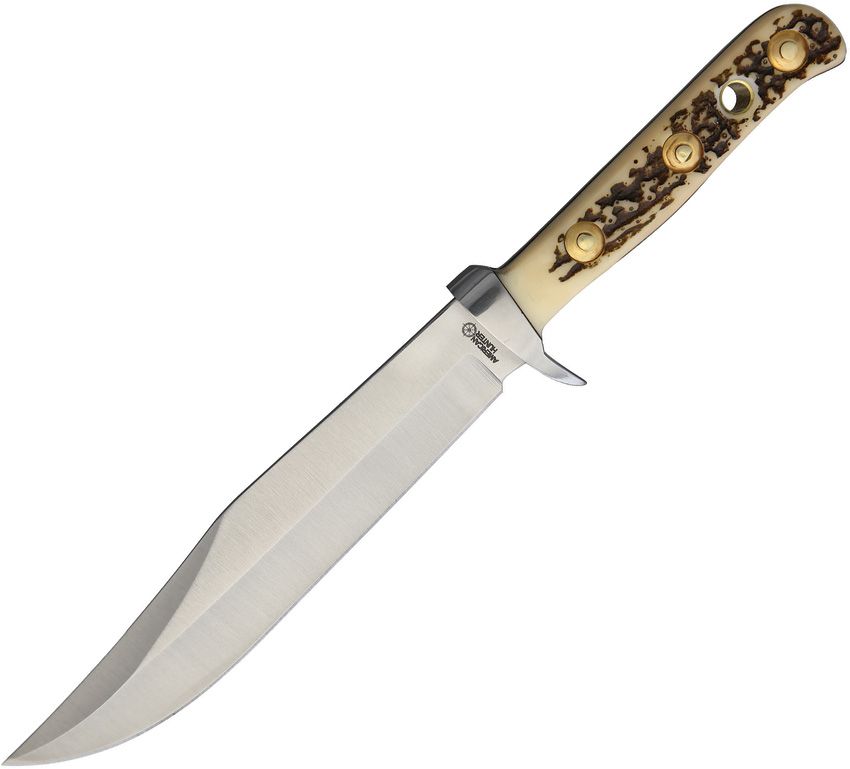
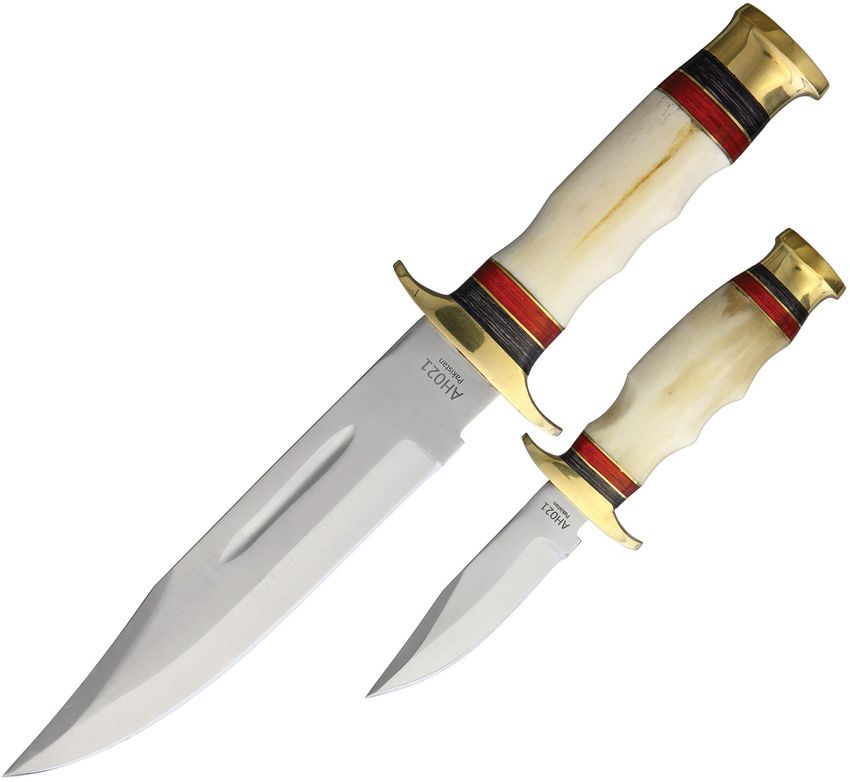
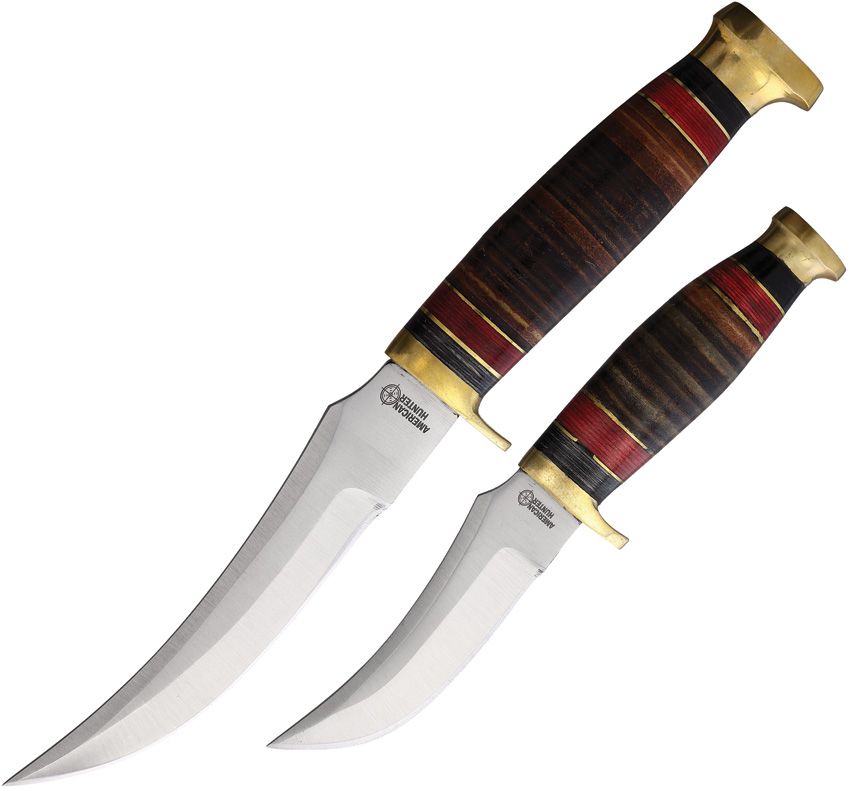
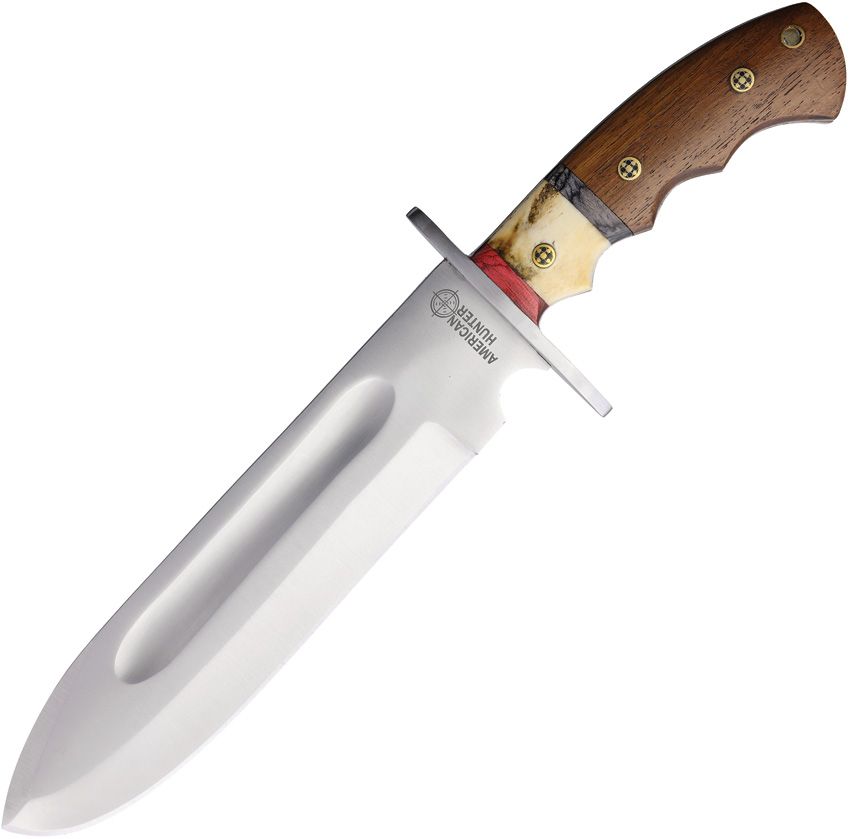
The 6 to 8 inch blades sold as survival or bowie knives are camp tools, not field-dressing knives. They baton wood, clear brush and open cans. Aitor's Jungle King and Oso series, and the Bowie NATO and Commando, are in that category, several with sawback spines and survival kits built into the sheath. American Hunter's bowies run from 6.5 to 8.75 inches at a much lower price. If you want one knife for camp and another for game, the American Hunter Piggyback Set pairs a bowie with a caper in one sheath, and the Twin Hunter Set does something similar.
Sheath, sharpening and budget
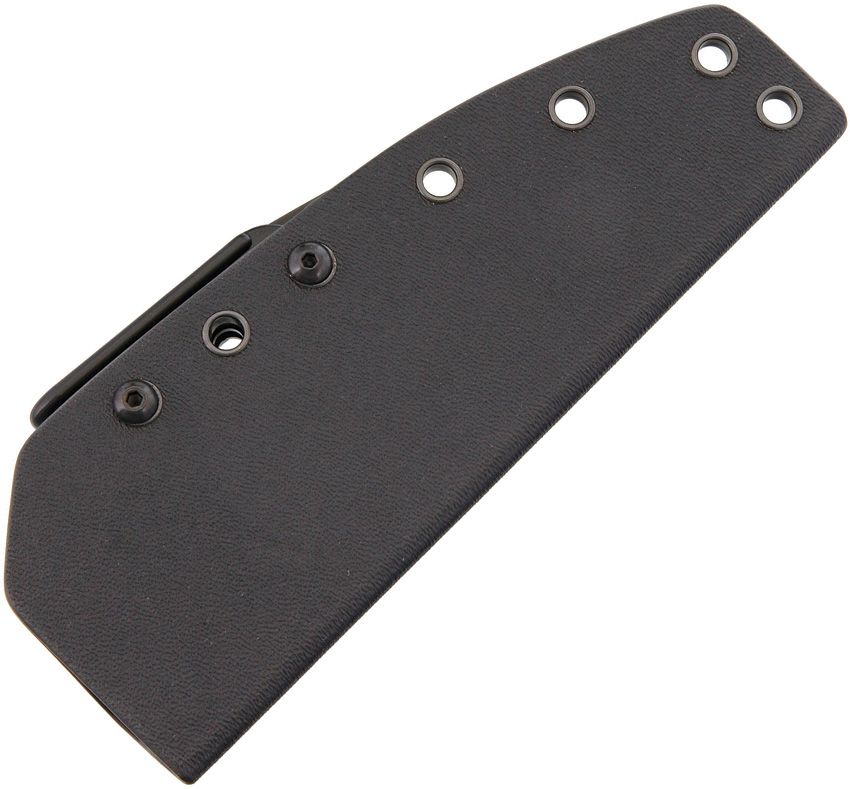
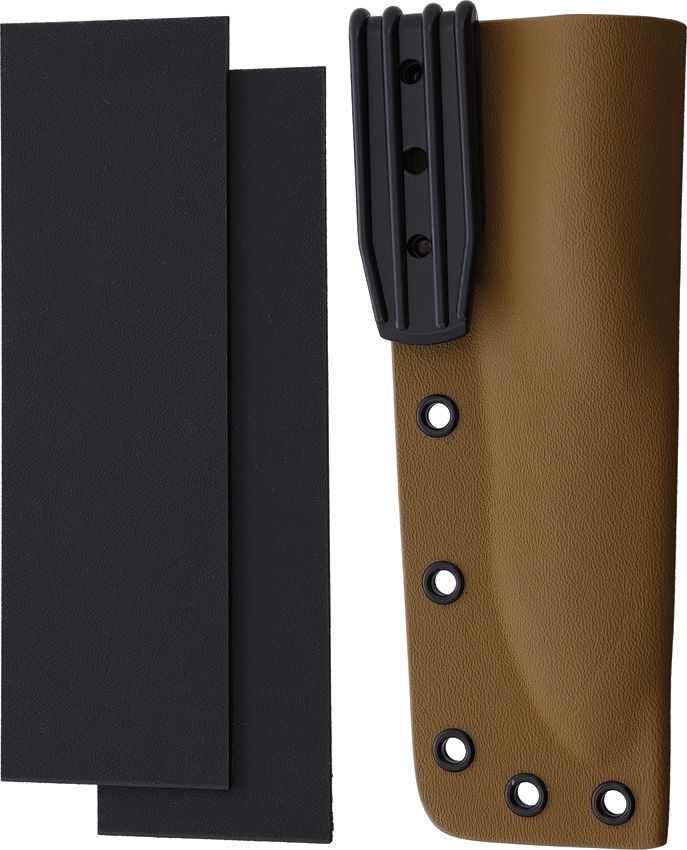
Buy the sheath with the knife; most listings note whether one is included. A Kydex sheath holds the knife by friction and shrugs off blood and water; the Armory Plastics DIY kits let you make one for a blank. Carry a small sharpener in the pack. The Smith's Pocket Pal with carbide and ceramic slots or the Pack Pal survival sharpener with fire starter weigh almost nothing and restore a working edge between animals. On budget: a usable fixed blade starts under twenty dollars with American Hunter, a D2 ABKT is in the forties, and a Damascus or Aitor knife runs from the low hundreds to several hundred.
FAQ
What blade length is best for deer hunting?
Three and a half to four and a half inches. It is long enough to open and skin a deer and short enough to control inside the body cavity.
Do I need a gut hook?
No. Many hunters prefer a plain drop point and open the hide with the blade tip up. A gut hook is a convenience, not a necessity, and is harder to sharpen.
Is stainless or carbon steel better for a hunting knife?
Stainless is more forgiving when the knife is put away wet. Carbon and tool steels like D2 hold an edge longer but need drying and oiling after use.
More guides
- Damascus Steel Knives Explained: Real Pattern-Welded vs Etched
- Best Folding Knives Under $100: What You Actually Get at Each Price
- Knife Steel Guide: 8Cr13MoV, 420, D2, MagnaCut, S90V and Damascus
- Knife Sharpener Guide: Whetstone vs Pull-Through vs Electric vs Rod