
Knife Sharpener Guide: Whetstone vs Pull-Through vs Electric vs Rod
Buy a bench whetstone if you want the sharpest edge and do not mind learning the angle; an Arkansas oil stone for conventional steels, a diamond stone for D2, S90V or MagnaCut. Buy a pull-through or pocket sharpener for quick touch-ups in the field or kitchen. Buy an electric sharpener only if you sharpen many kitchen knives and value speed over control. A ceramic rod keeps a sharp edge aligned between sharpenings.
Whetstones and Arkansas oil stones
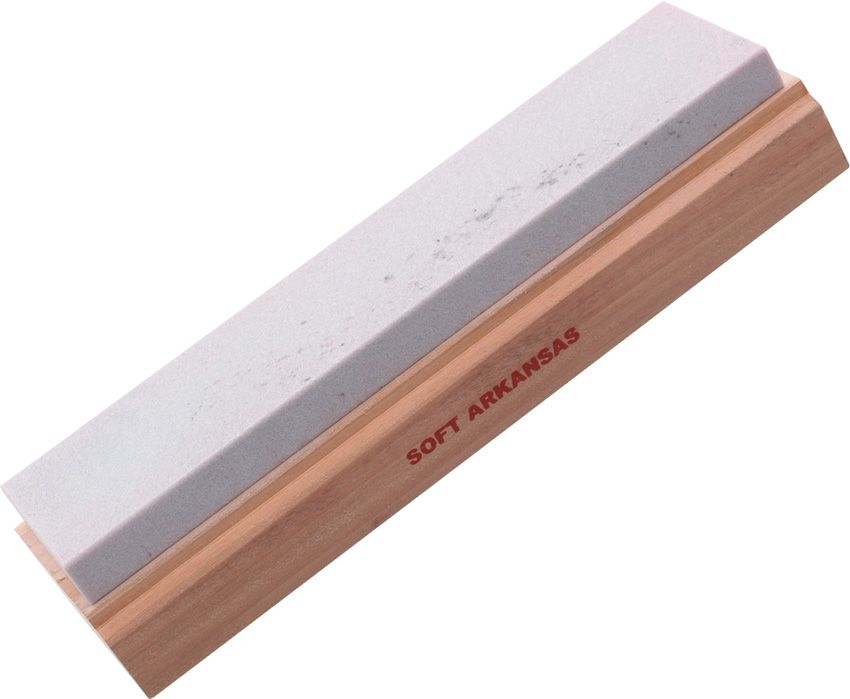
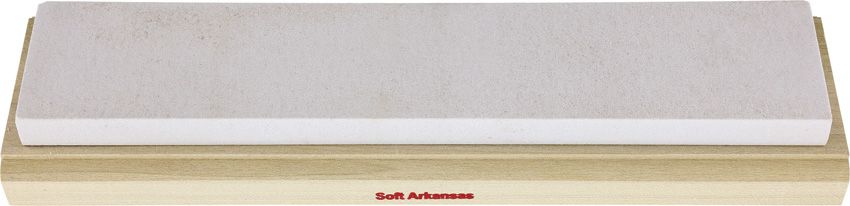
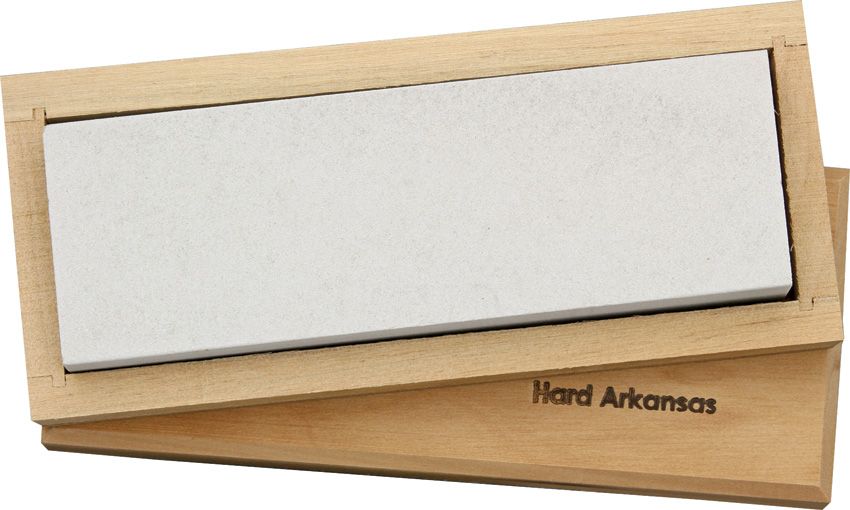
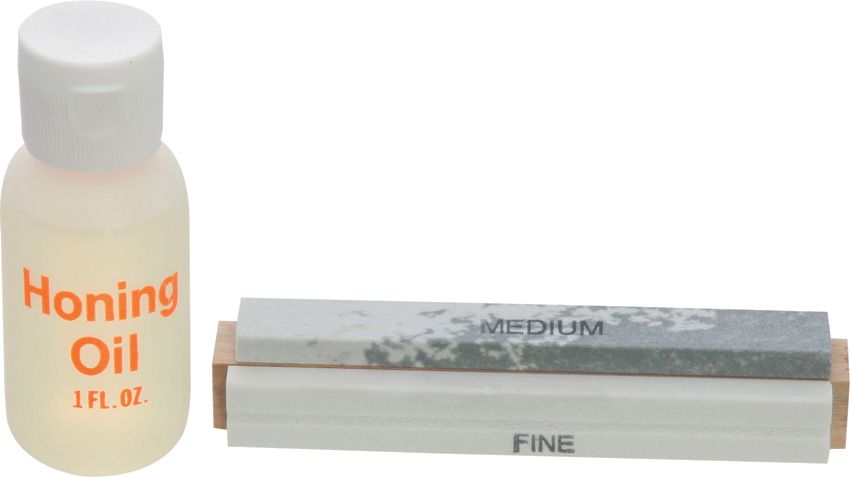
A bench stone is the traditional and most controllable way to sharpen. You set the angle, usually around twenty degrees per side for a pocket knife, and draw the edge across the stone. Arkansas stones are natural novaculite quarried in that state, used with honing oil. Soft Arkansas cuts faster and sets the edge; hard Arkansas refines it. Atlas Knife Co lists a full run from Arkansas Sharpeners: soft and hard whetstones on cedar blocks in 6 by 2, 8 by 2 and 10 by 2 inches, pocket stones at 3 and 4 inches, and combination kits such as the Tri Hone sets with honing oil in 4 to 11 inch sizes and the EZ Hone four-stone system. The Sharpeners Honing Kit and Deluxe Honing Kit bundle soft and hard stones with oil for a first setup.
Oil stones are slow on very hard steels. They are ideal for 8Cr13MoV, 420, carbon and most Damascus, and workable on D2 with patience.
Diamond stones for hard steel
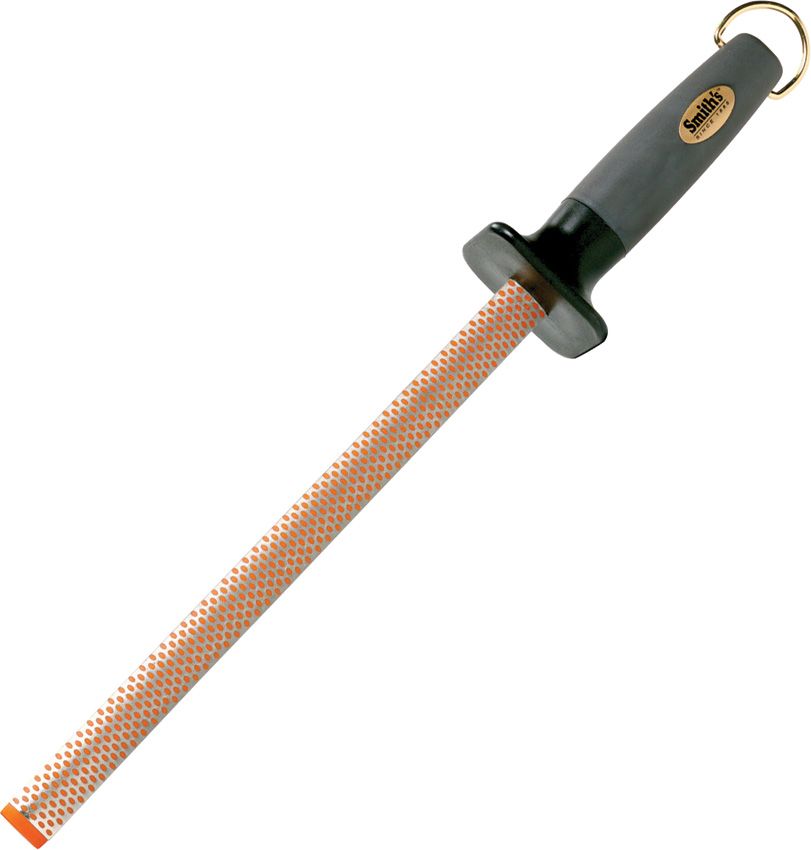
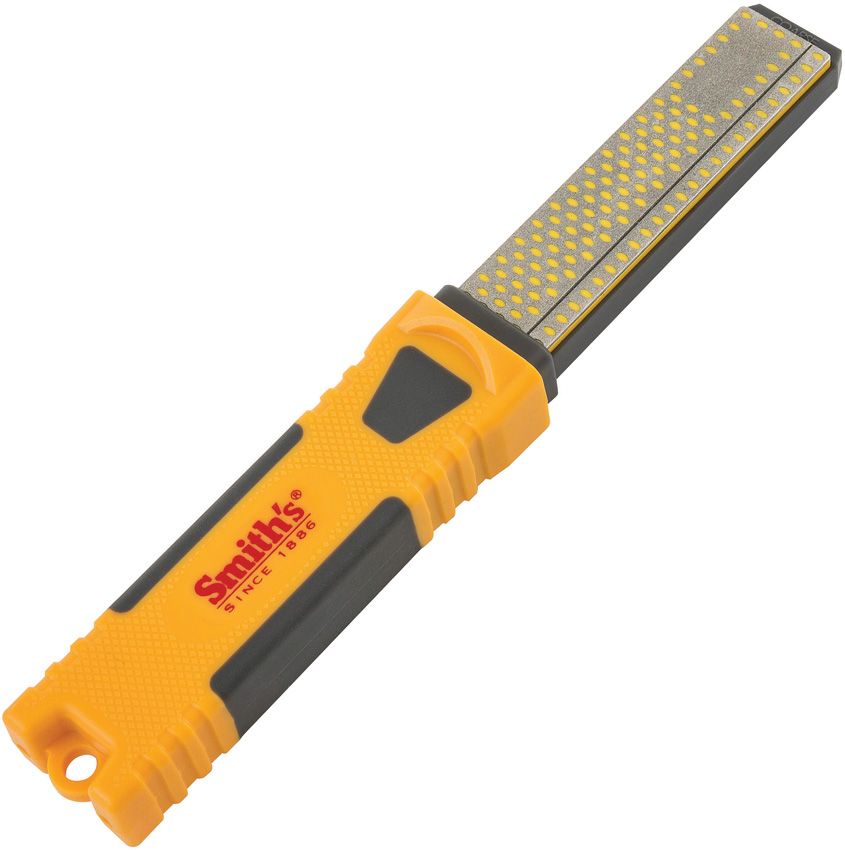
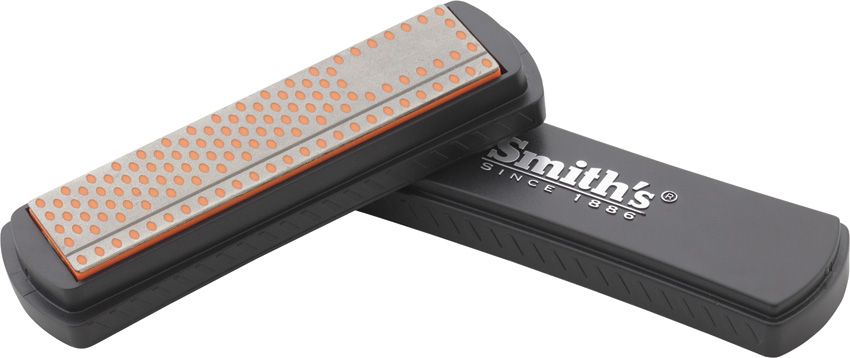
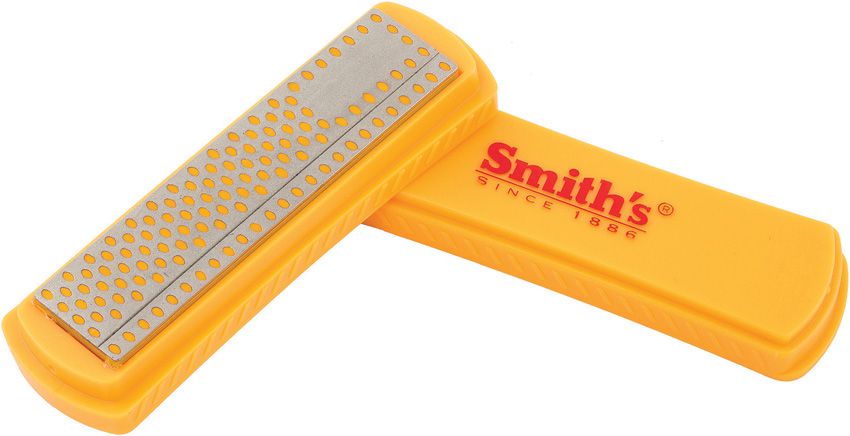
Diamond plates cut anything, including the vanadium-rich powder steels that laugh at natural stones. They also cut fast, so they are the choice for repairing a chipped edge or reprofiling a thick one. Smith's lists a 4 inch Diamond Combo Bench Stone with coarse and fine grit, a 4 by 1 inch diamond stone with a plastic base, a 750 fine-grit diamond stone and a 10 inch Diamond Sharpening Steel. Use them dry or with water, never oil, and use light pressure; diamond does the work.
If you own anything in S90V or MagnaCut, a diamond stone is not optional.
Pull-through, pocket and multi-slot sharpeners
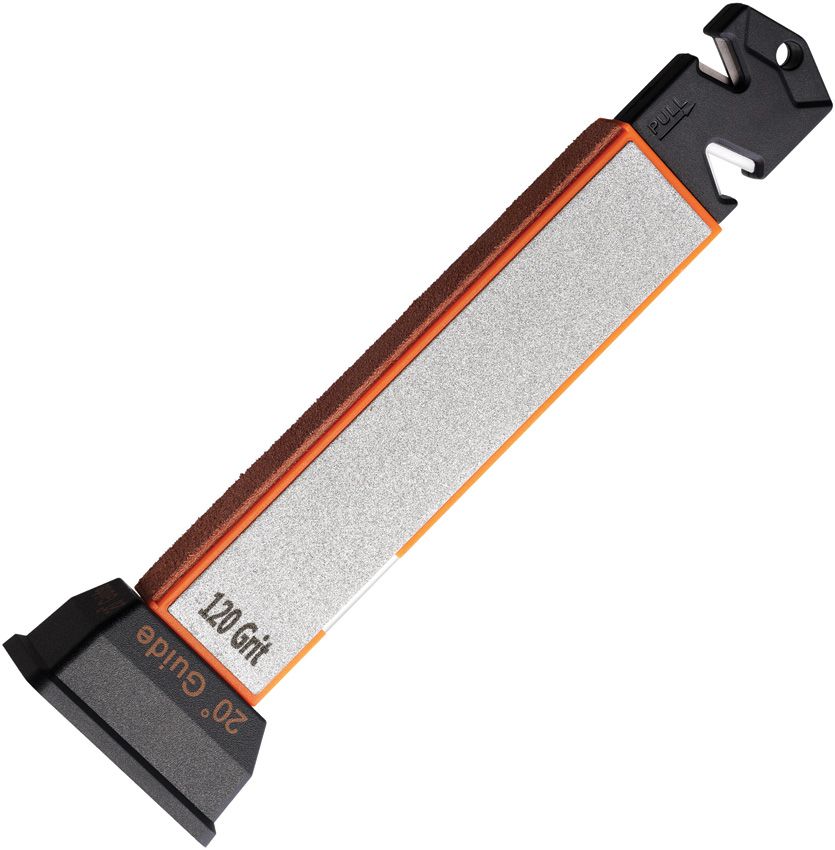
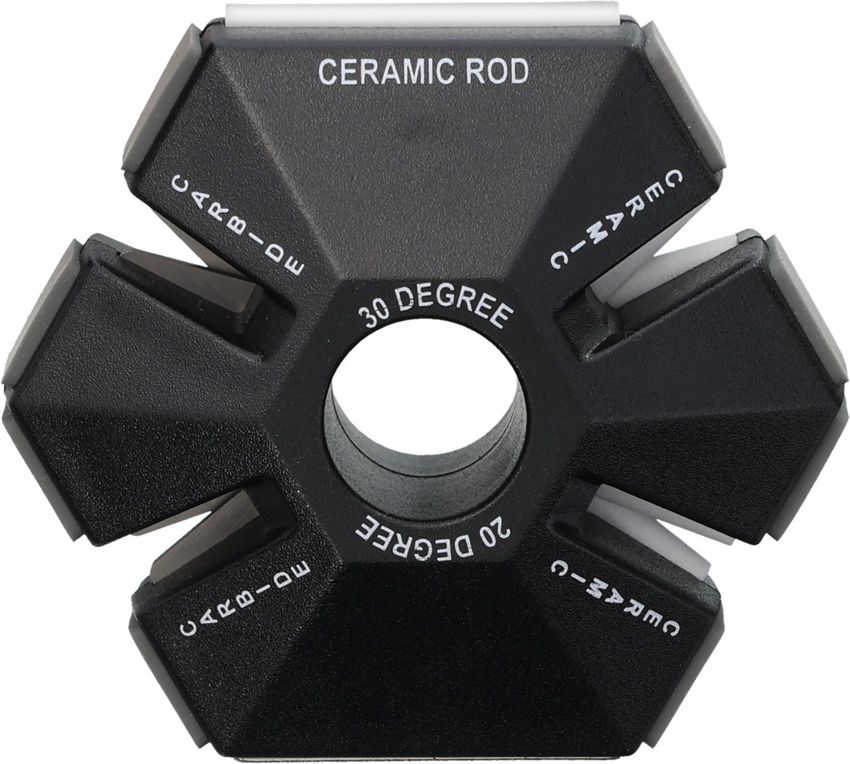
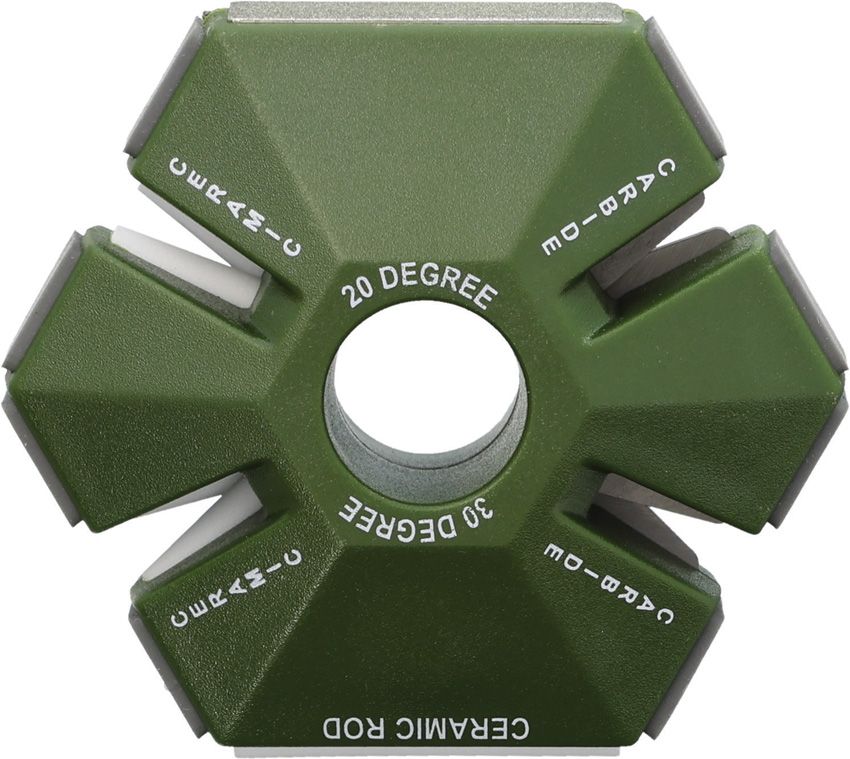
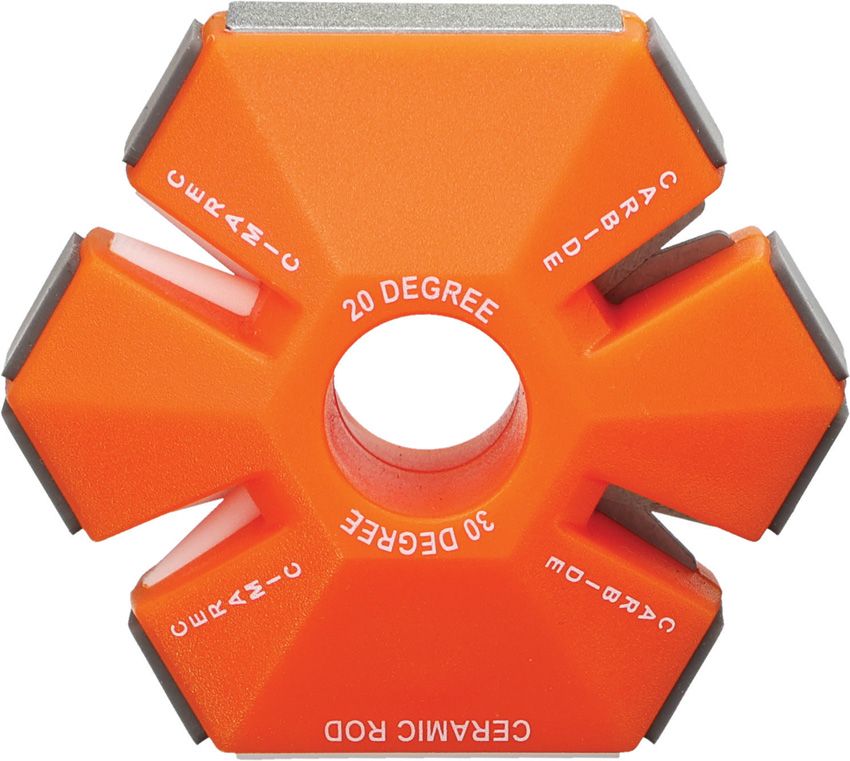
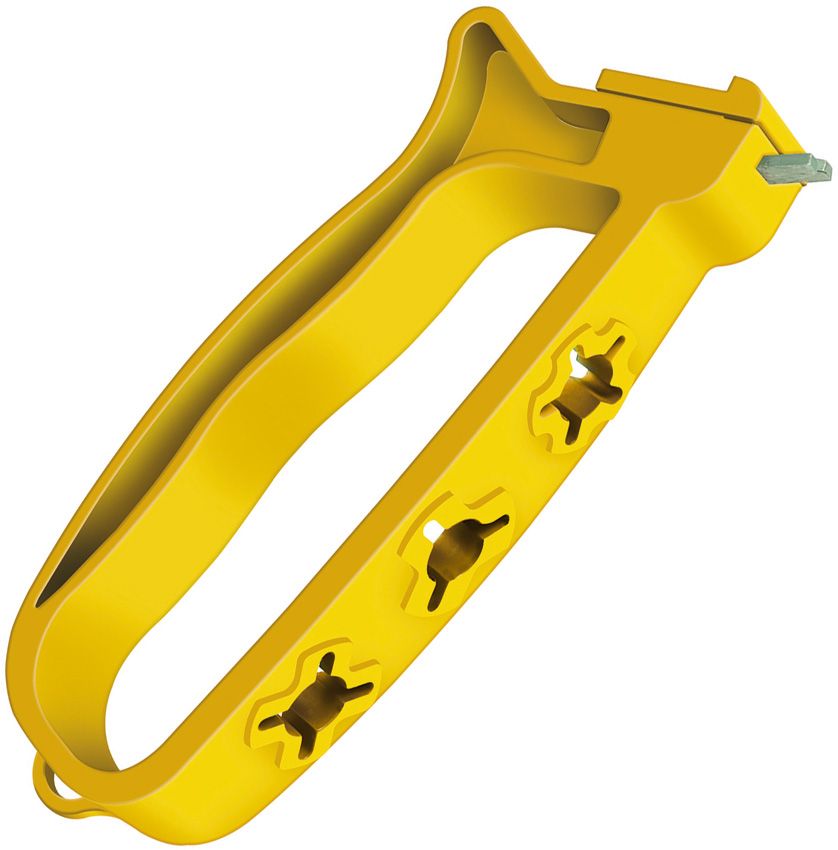
A pull-through sharpener has a carbide slot that sets a fresh edge and a ceramic slot that smooths it. You draw the knife through a few times and it is usably sharp, with no angle to learn. The cost is that carbide removes a lot of steel, so use the coarse slot sparingly. Smith's Pocket Pal and Pocket Pal X2 are the classic pocket versions; the 7.5 inch Pull-Thru and Pro 2-Stage manual sharpeners are the kitchen-counter size, and the Pro Series Adjustable Angle model lets you match the slot to the knife. ABKT TAC's Wedge Multi Sharpener and Multi-Function Sharpener add a diamond plate and ceramic rods to the same idea. The Smith's Edge Work-Site and Pack Pal clip to a pack for camp use.
Electric sharpeners
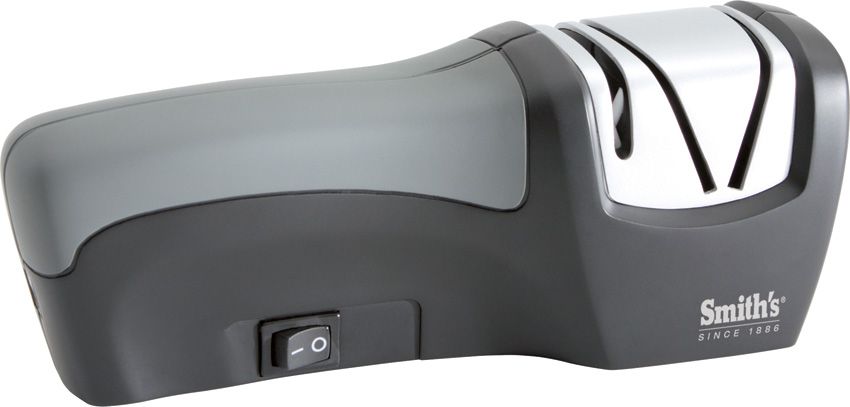
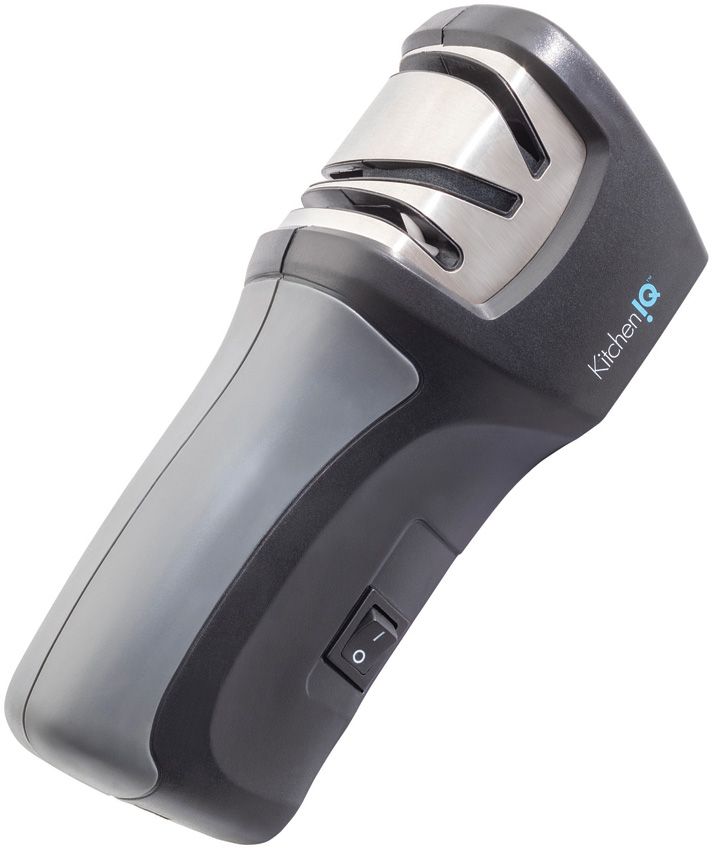
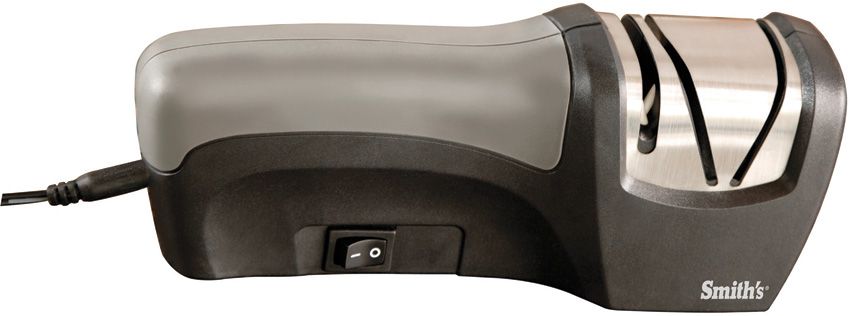
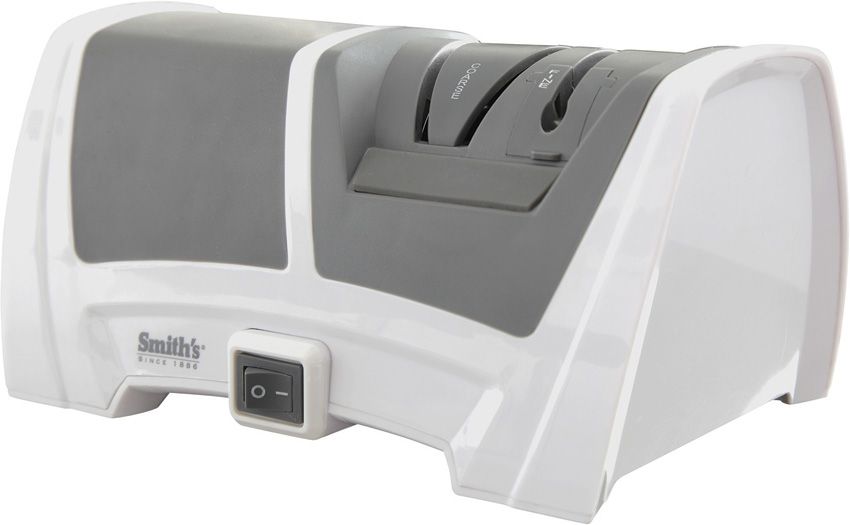
Electric sharpeners spin abrasive or ceramic wheels against the edge at a fixed angle. They are fast and consistent, which makes them popular for a drawer full of kitchen knives, but they remove steel quickly and can round the tip if the knife is pulled through carelessly. Smith's lists the Edge Pro Electric Sharpener with ceramic honing rods, the 8.5 inch Electric Knife Sharpener, the Diamond Electric Sharpener with ceramic stones and the compact Essentials model. They are not the tool for a valued pocket knife or a Damascus blade.
Rods, steels and the honing habit
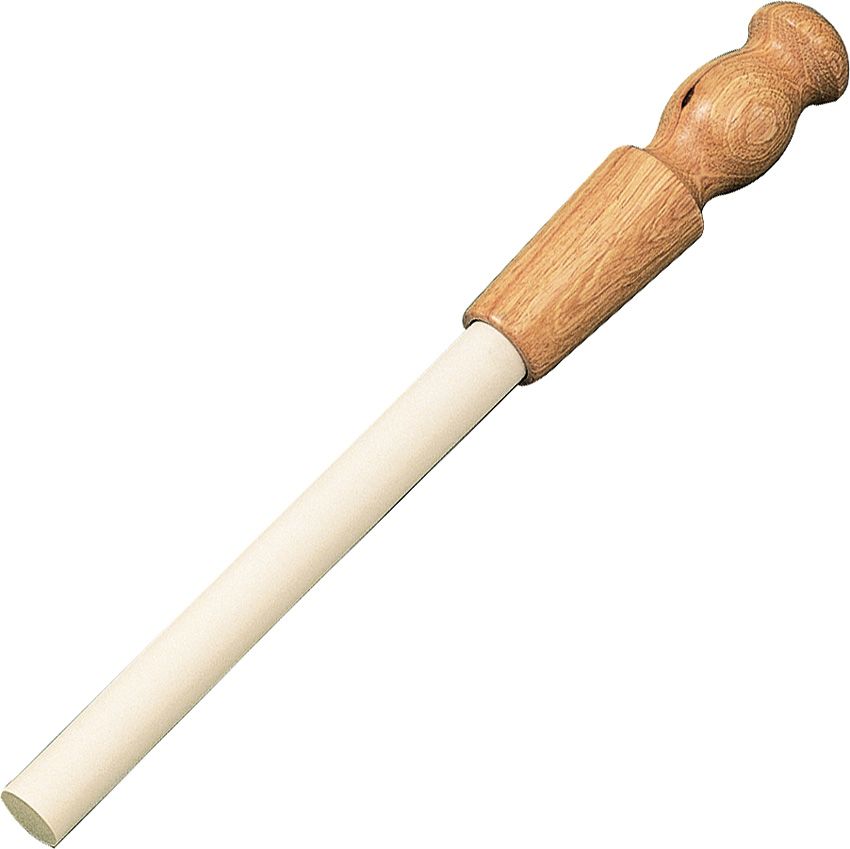
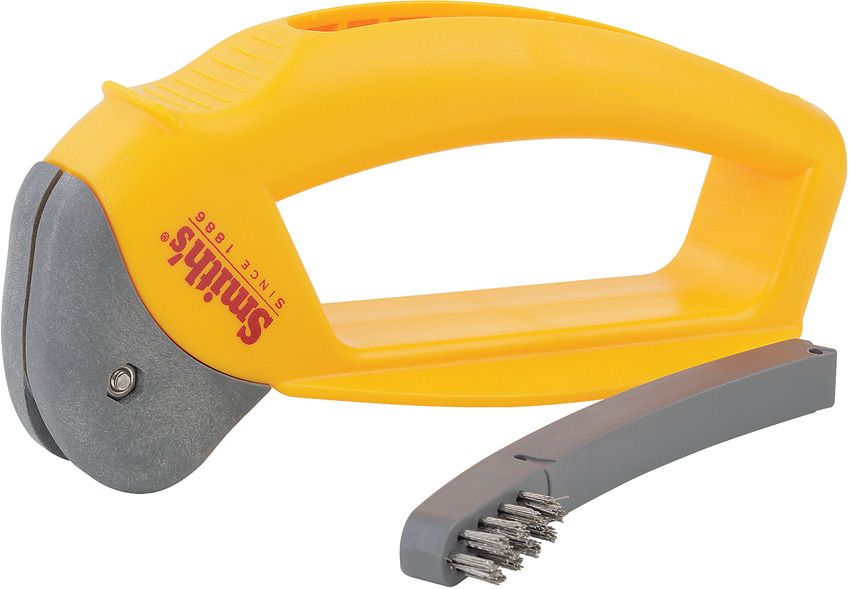
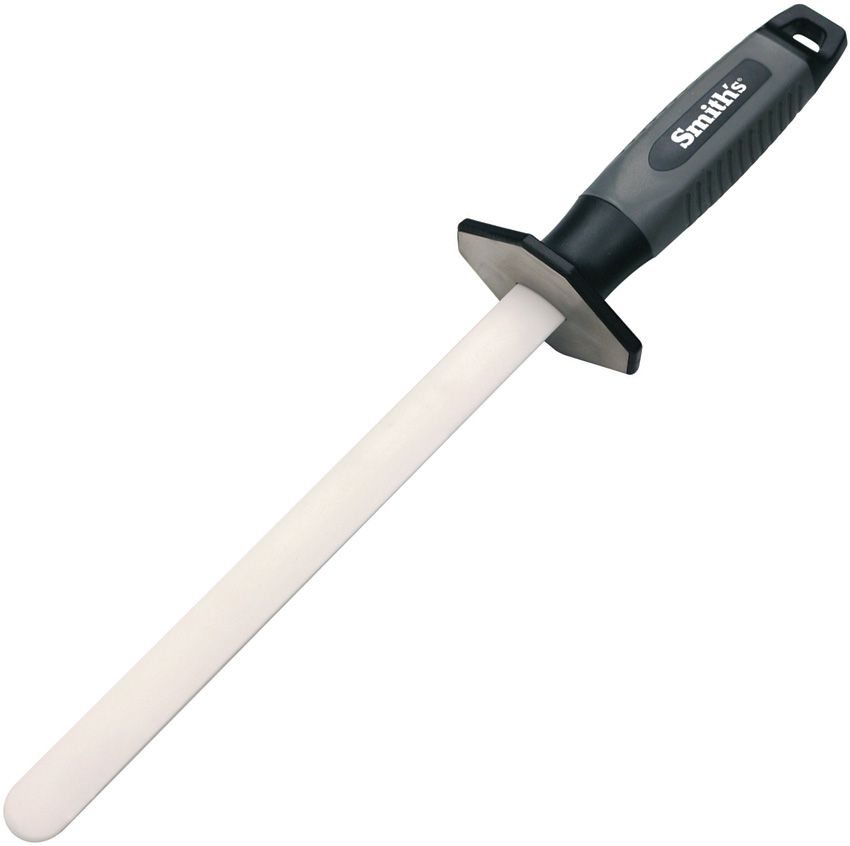
A rod does not sharpen so much as realign: a few light strokes straighten the microscopic edge that rolls over in use, and a knife that is honed regularly needs true sharpening far less often. Ceramic rods, such as the Arkansas Sharpeners Ceramic Superstick at 16 inches, the 12 and 8.5 inch ceramic rods and Smith's 13 inch oval ceramic rod, are fine enough to use on any steel. A diamond steel like Smith's 10 inch model cuts as well as hones. Keep one by the cutting board and use it every few sessions. For specialty blades, Smith's also lists a Broadhead Sharpener, a Machete/Axe Sharpener with carbide blades and the Edge Eater tool sharpener.
FAQ
What angle should I sharpen a pocket knife?
Around twenty degrees per side is a safe default for folders and hunting knives. Kitchen knives are often ground closer to fifteen.
Do I need oil for an Arkansas stone?
Yes, a light honing oil floats the metal swarf so the stone does not clog. Use water or nothing on diamond plates.
Are pull-through sharpeners bad for knives?
The carbide stage is aggressive and shortens blade life if overused. Use it only when the knife is truly dull, and finish on the ceramic stage.
More guides
- Damascus Steel Knives Explained: Real Pattern-Welded vs Etched
- Best Folding Knives Under $100: What You Actually Get at Each Price
- Fixed Blade Hunting Knife Buyer's Guide
- Knife Steel Guide: 8Cr13MoV, 420, D2, MagnaCut, S90V and Damascus